
We Asked for Metrics. We Got Attribution Theater.
Quantify your impact was good advice for individual contributors. At senior levels, it taught people to fabricate cause and effect.
Quantify your impact was good advice for individual contributors. At senior levels, it taught people to fabricate cause and effect.

Dario Amodei is asking AI labs to slow down enough to understand what they're building. That is Judgment-Driven Development, applied to the models themselves.

Slack behaves like instant messaging, email, a forum, and a system of record all at once. Because it never picked one, neither do the people using it.

Anthropic's AI-Native SDLC Playbook arrives at the same conclusion Judgment-Driven Development has been making since late 2025, from the opposite direction.

Discrete-event simulation gave us a cheap place to be wrong about systems. Generative AI may be about to do the same for the people inside them.

A new study finds the newest AI systems already hold 95 to 98 percent of the facts we test them on. The failure is not missing knowledge. It is reaching what is already there.
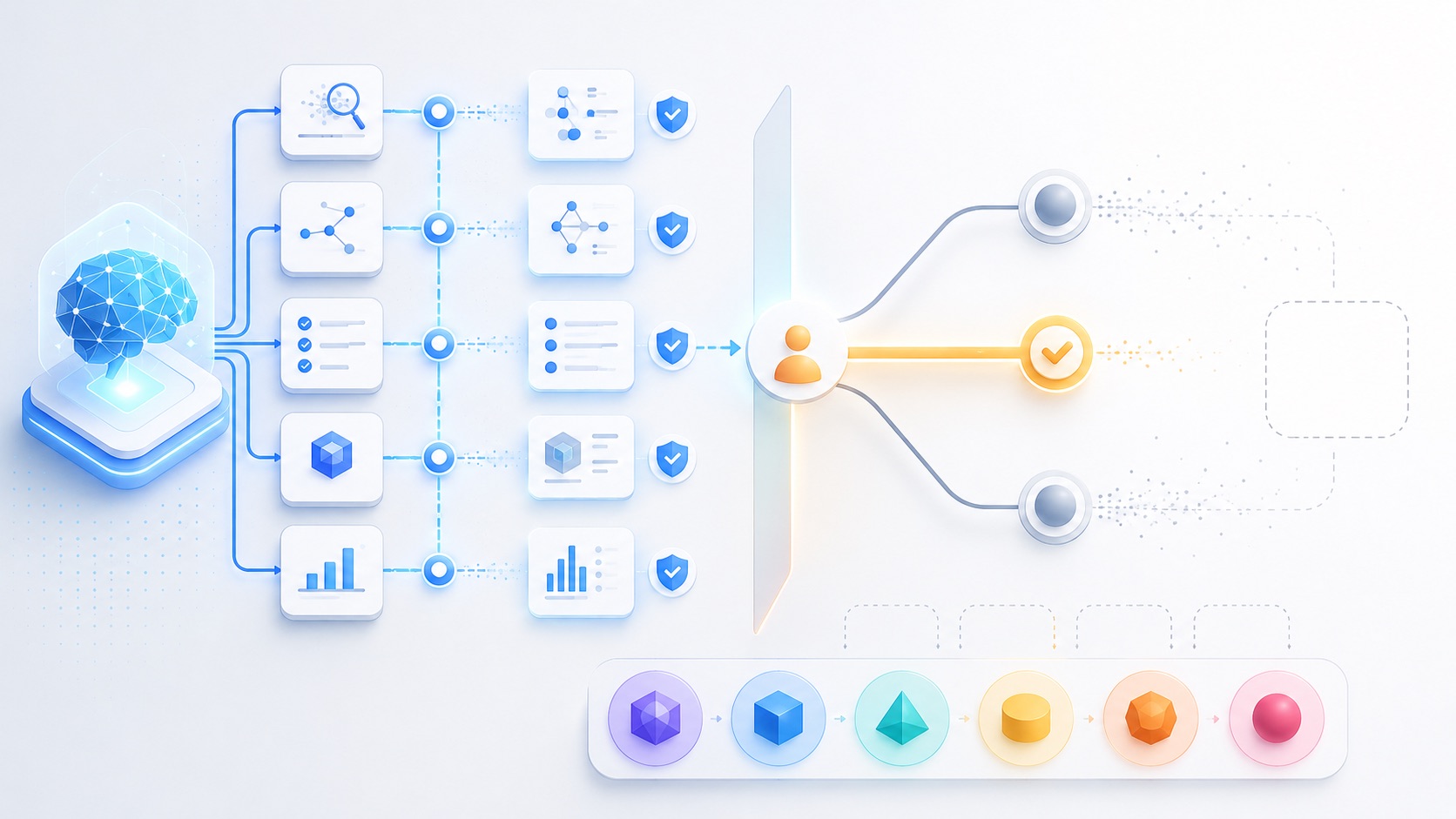
A viability gate scored a product idea three moderates and cleared it to proceed. A human killed it anyway, and nothing about that call survives in the repository.

On Can't Hurt Me, the Goggins principle I actually took from it, and the goal I'm putting here so I can't quietly let it slide.

Lean Startup's Build-Measure-Learn loop had four judgment gates built into it. AI made execution cheap and priced the gates out. That is the mechanism behind the AI productivity paradox.
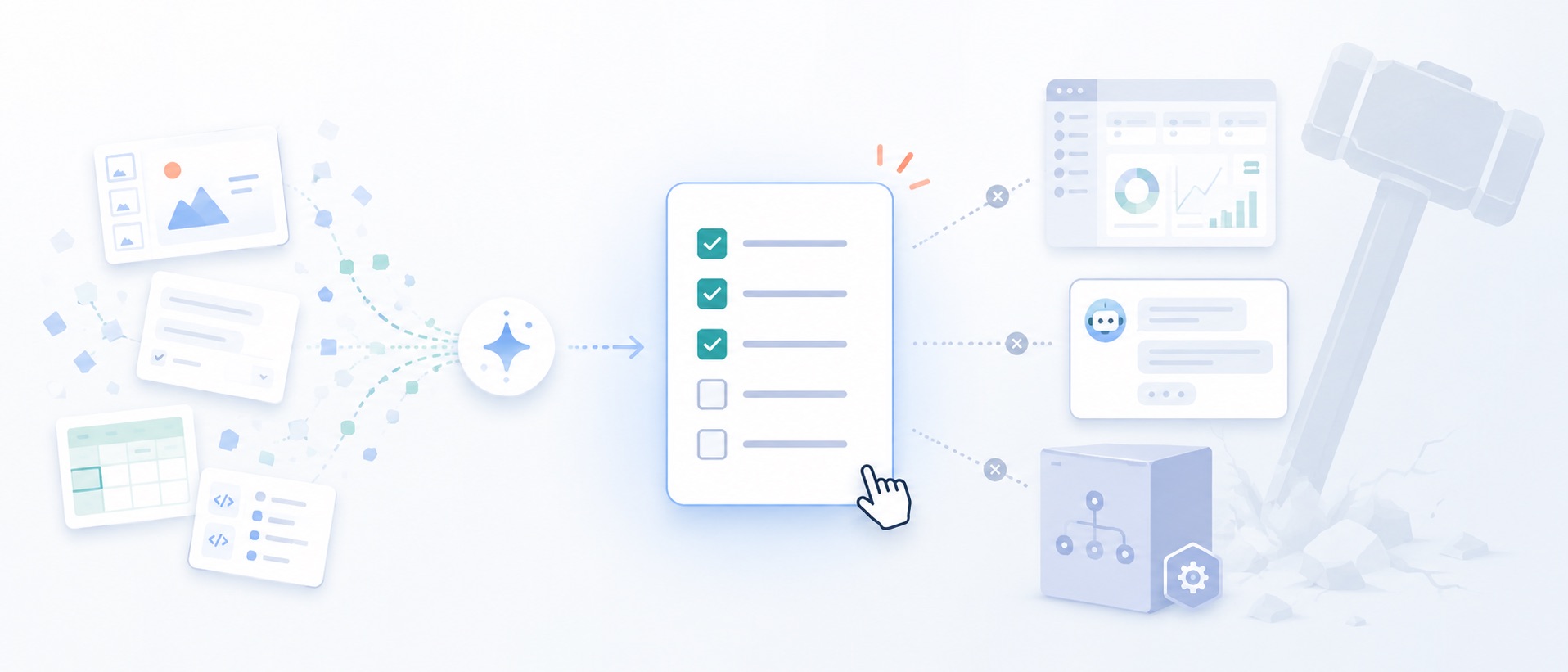
When building an AI skill is the wrong answer, and a checklist is the right one — and how to tell the difference before you build.
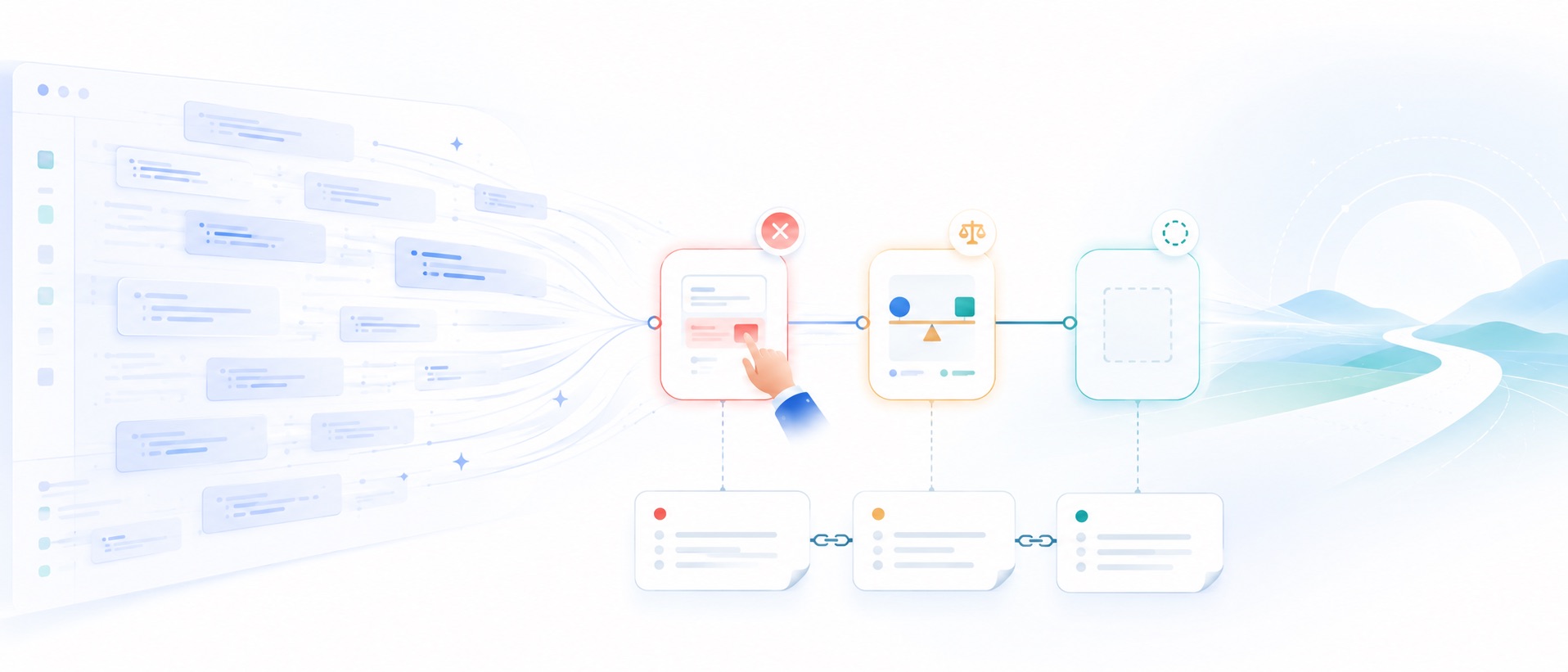
The one-line test tells you what deserves an entry. This post tells you how to recognize the moment, in the middle of a session, when you have crossed from accepting a suggestion into making a decision.
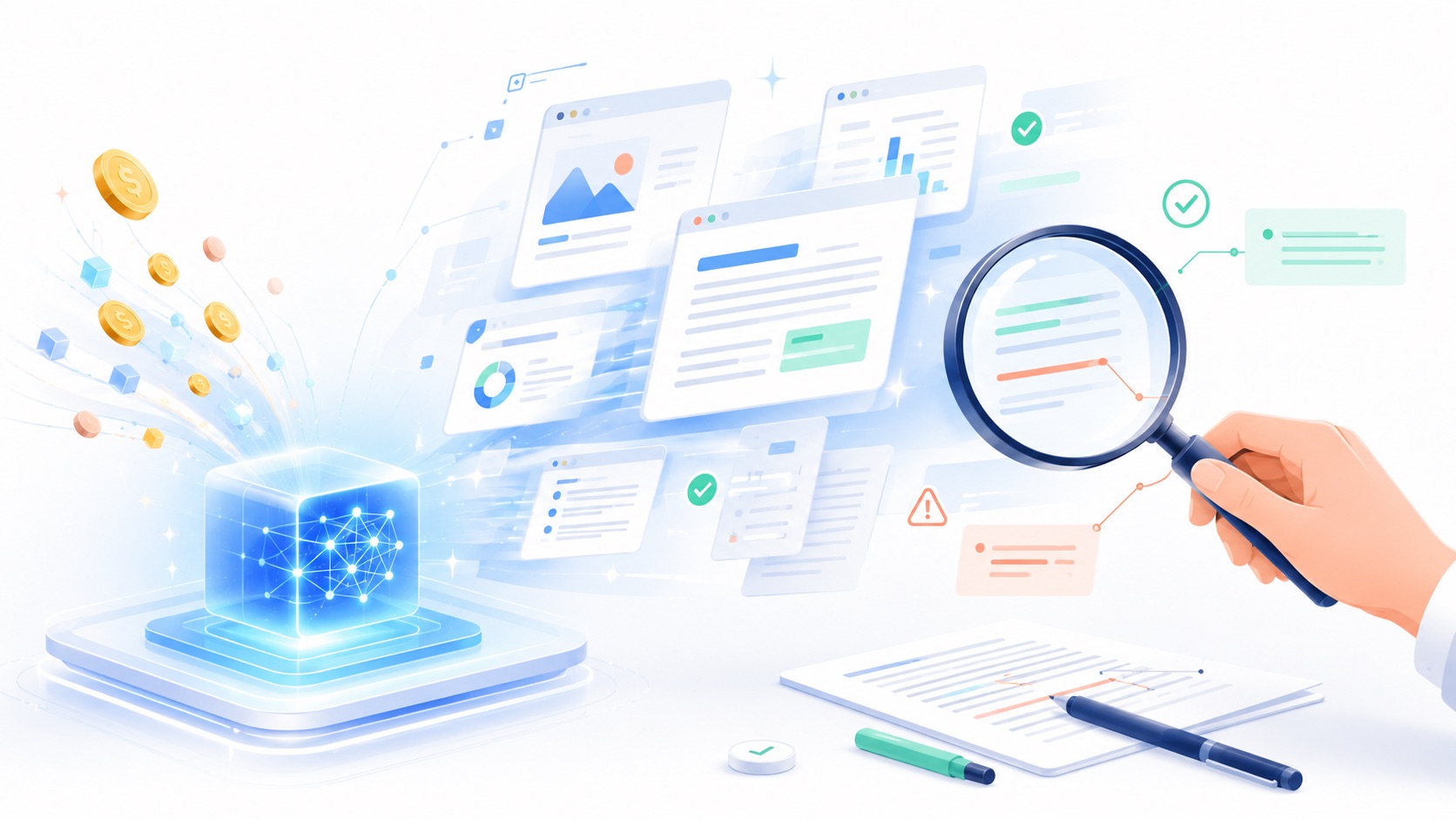
AI is extremely good at sounding intelligent. That is not the same as being correct. I paid $350 to relearn that lesson. Ford paid a few years and 350 headcount.
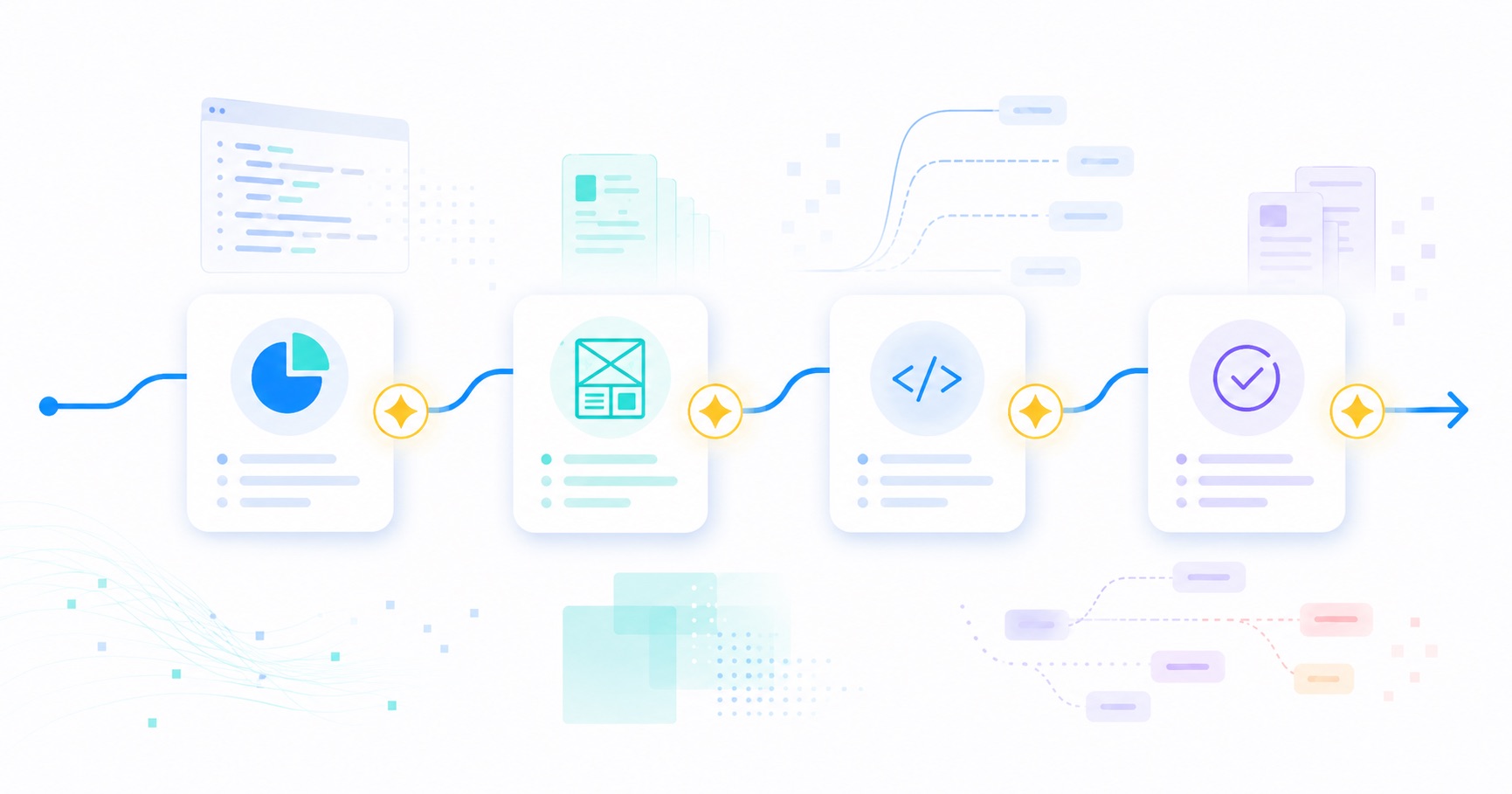
Four entries. Four people. One chain. This is what the Judgment Log looks like when someone actually writes it down.
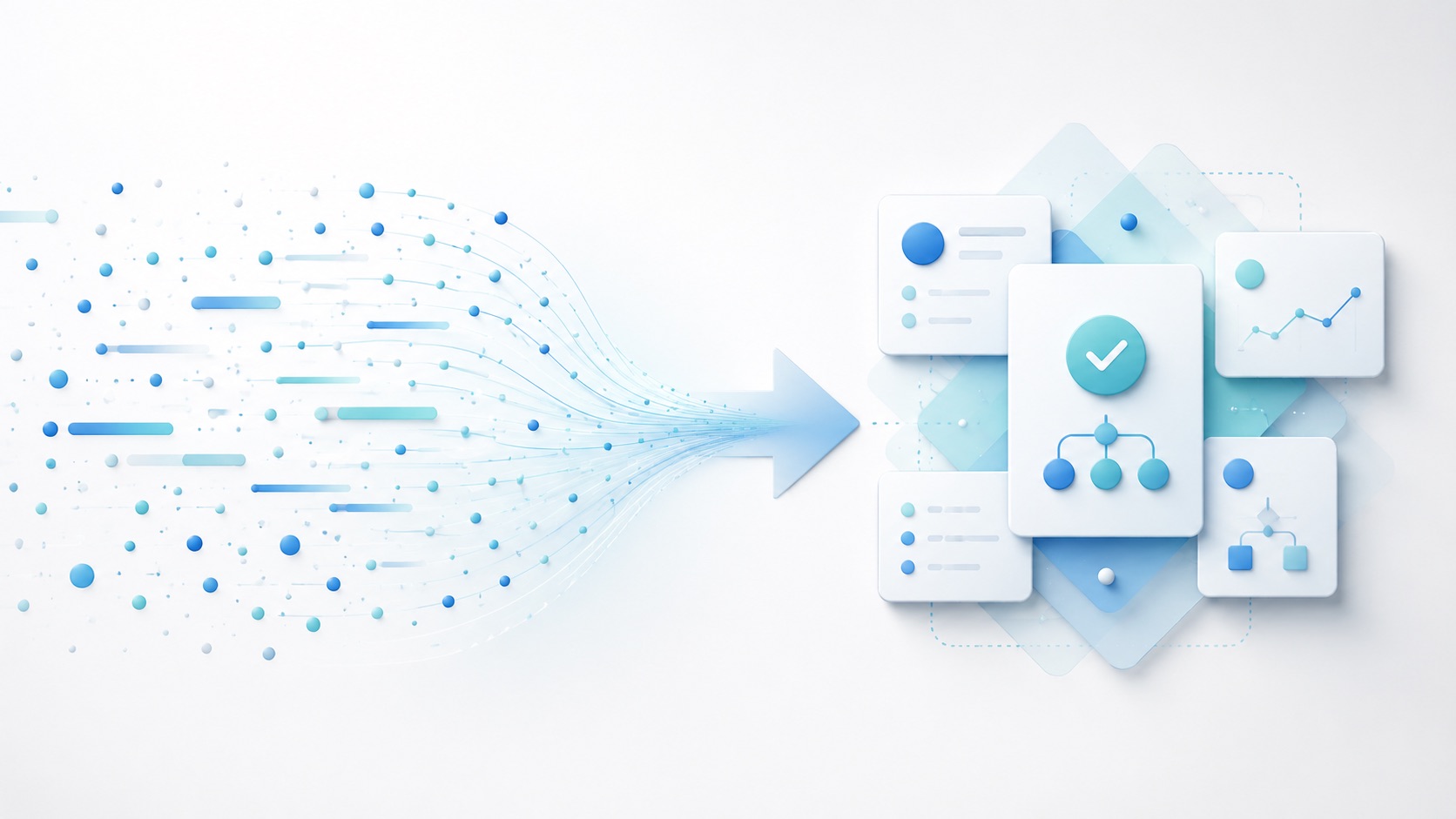
Every team has infrastructure for tracking execution. Almost none have infrastructure for tracking judgment. The Judgment Log is the artifact that closes that gap.
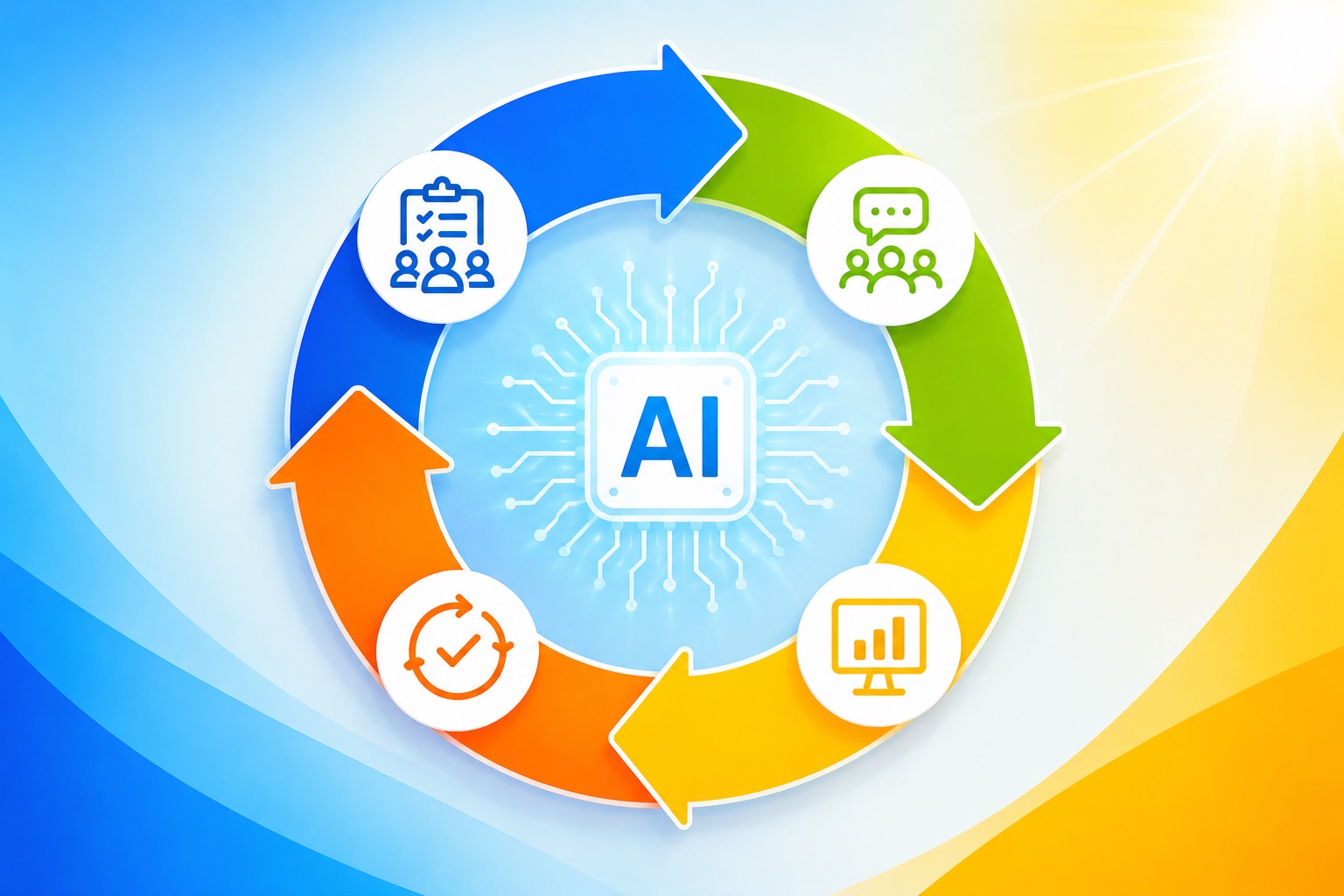
AI accelerated execution. The decision infrastructure did not move. The gap between the two is where instability lives, and sprint ceremonies are where you close it.
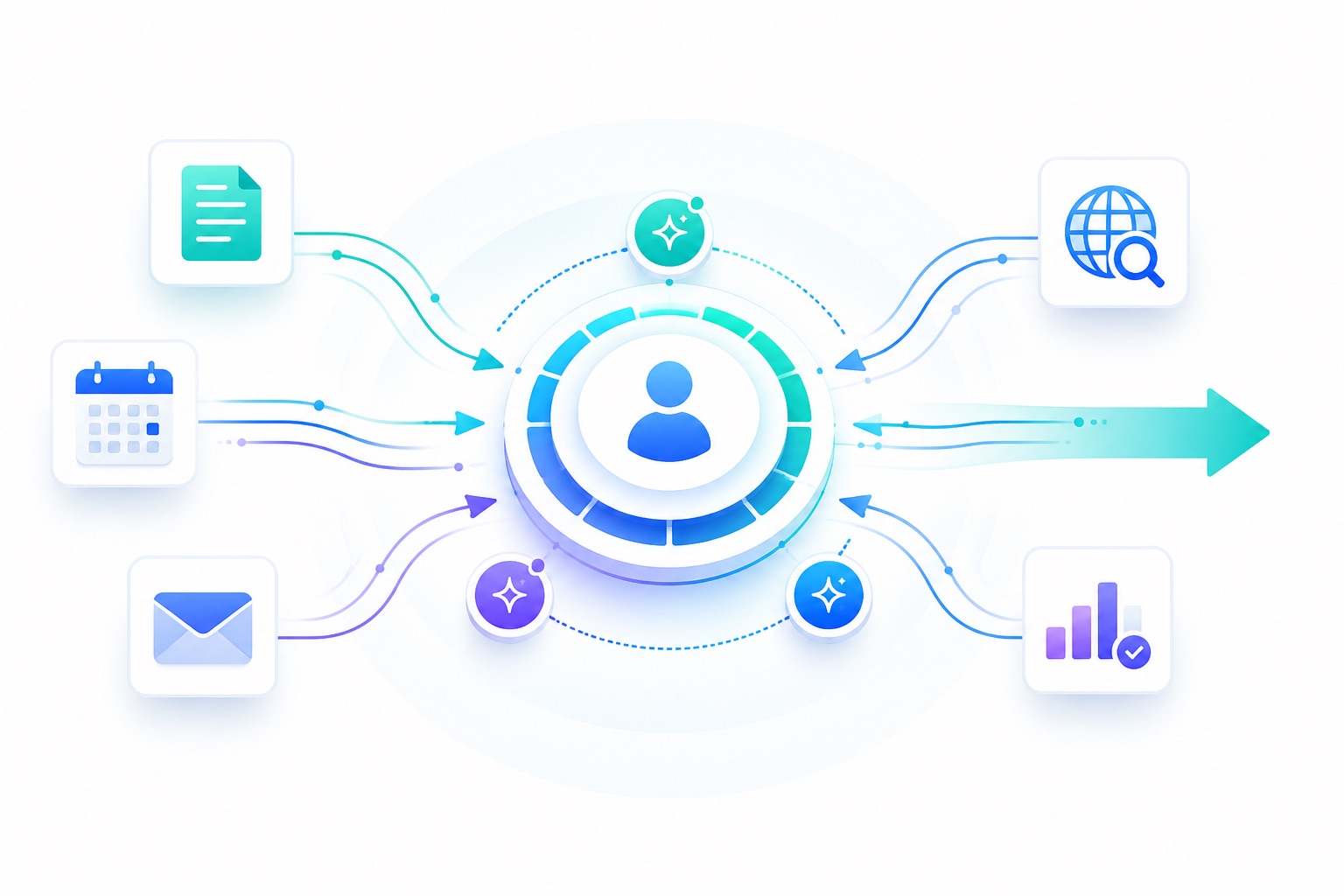
The same technology creating the overload can manage it, if you build the right interface between yourself and the noise. I built a small team of agents to do exactly that.
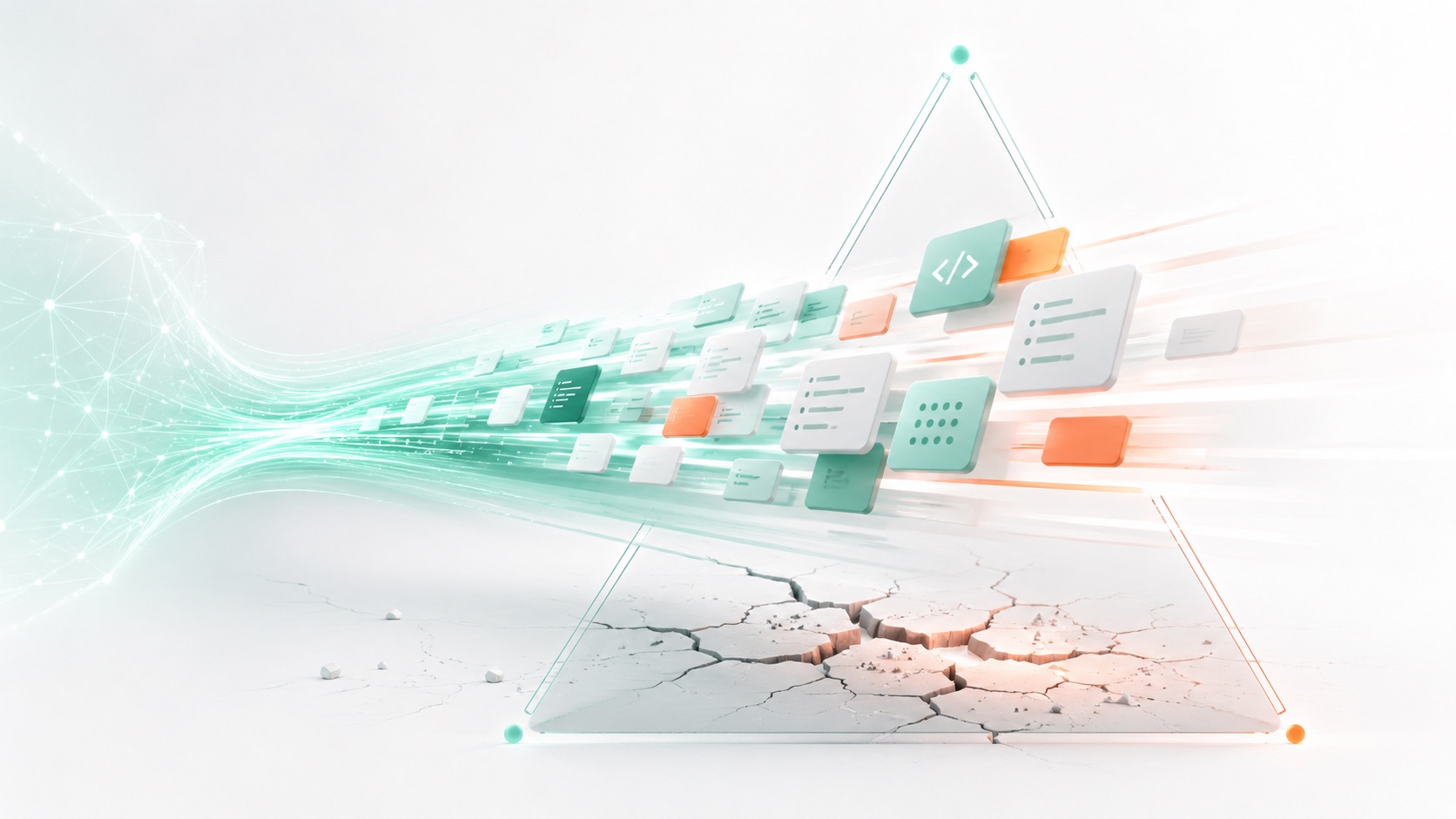
AI accelerated throughput. It also hid the damage. The production triangle hasn't changed, the physics just hits faster now.

Why approving AI actions isn't governance, and what a real decision layer looks like.
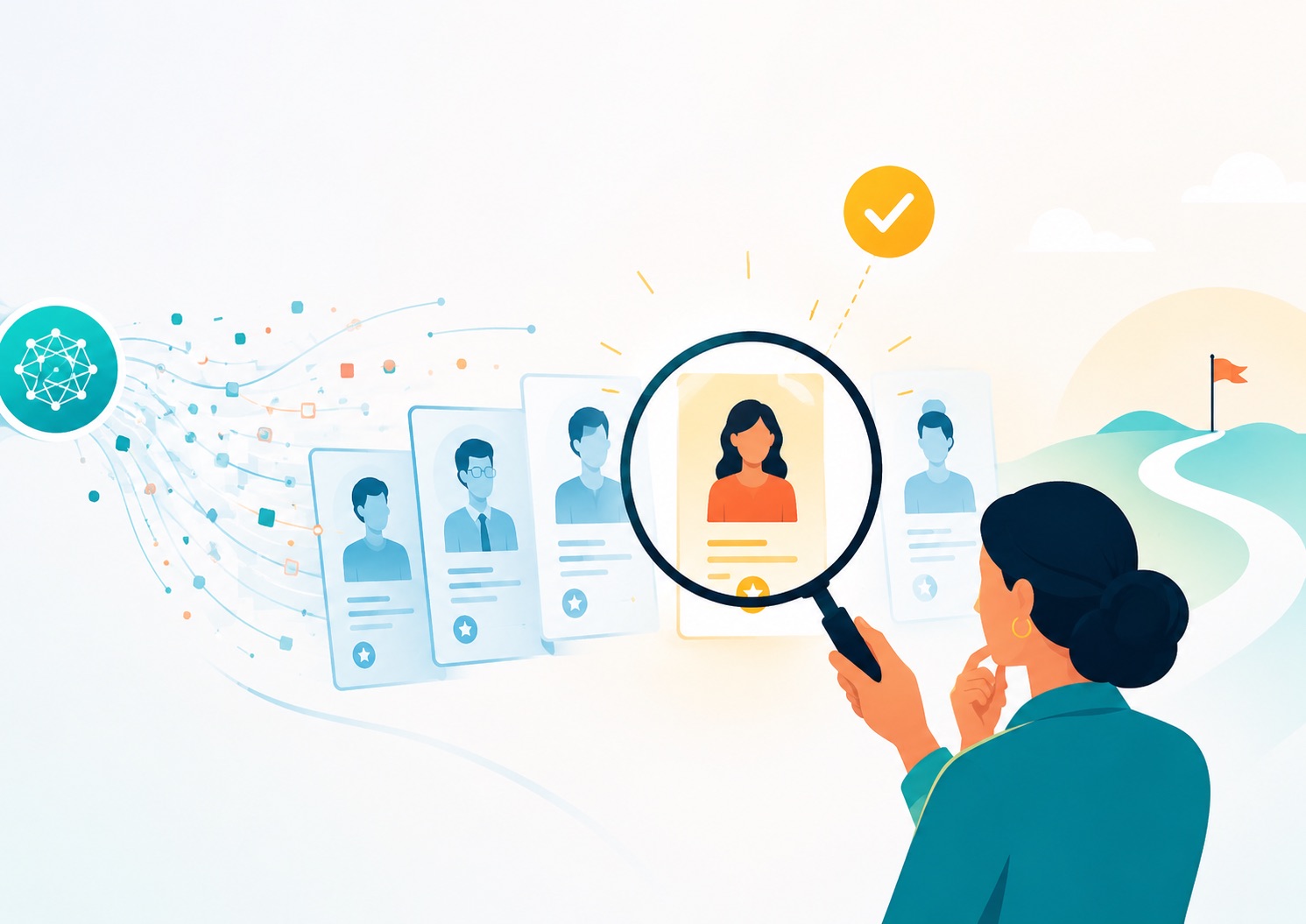
How to hire for judgment when AI makes execution easy and the old signals no longer apply.
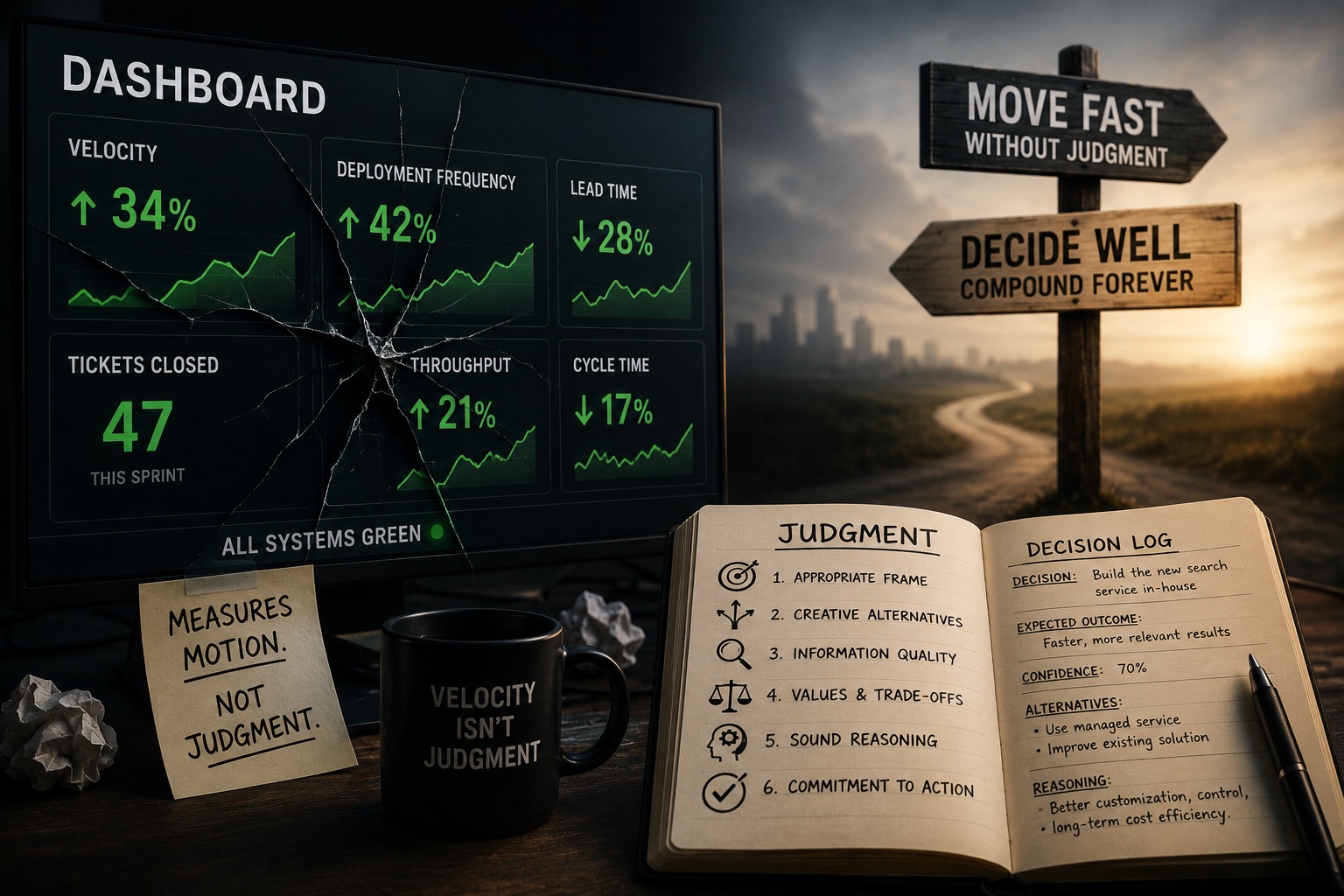
Velocity is up. Lead time is down. And you have no idea whether your team is getting better at what matters. Here is how to measure judgment in an AI-accelerated organization.

How to develop senior engineers when AI handles the work that used to build them.

Why the people learning to code today are missing the lessons that used to be unavoidable.

AI-generated code compiles, solves the visible task, and still carries hidden assumptions, unsafe patterns, and security debt. Here is what senior engineers hold that the model cannot infer.
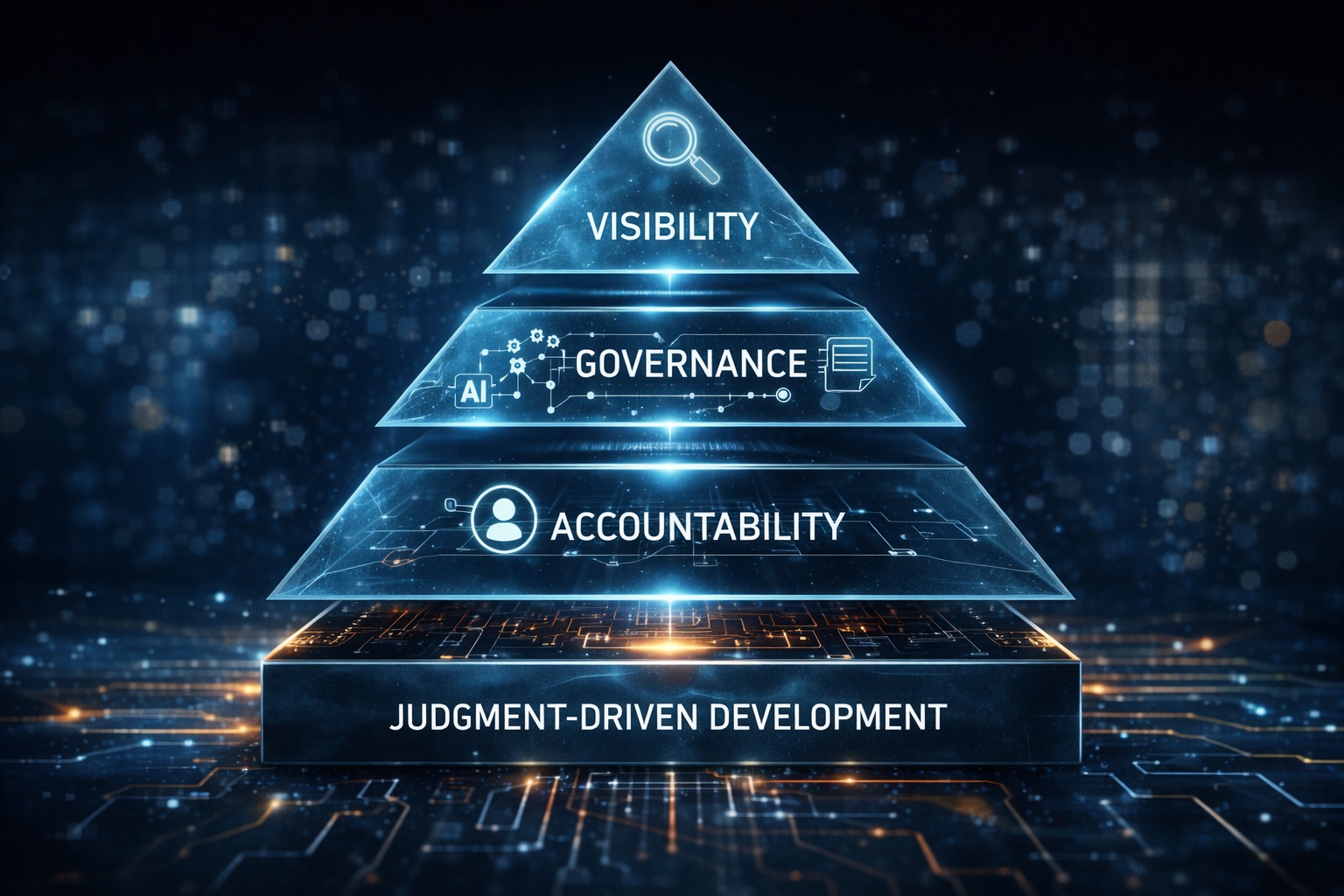
Why AI visibility without ownership isn't governance, and what accountability at the decision layer actually requires.
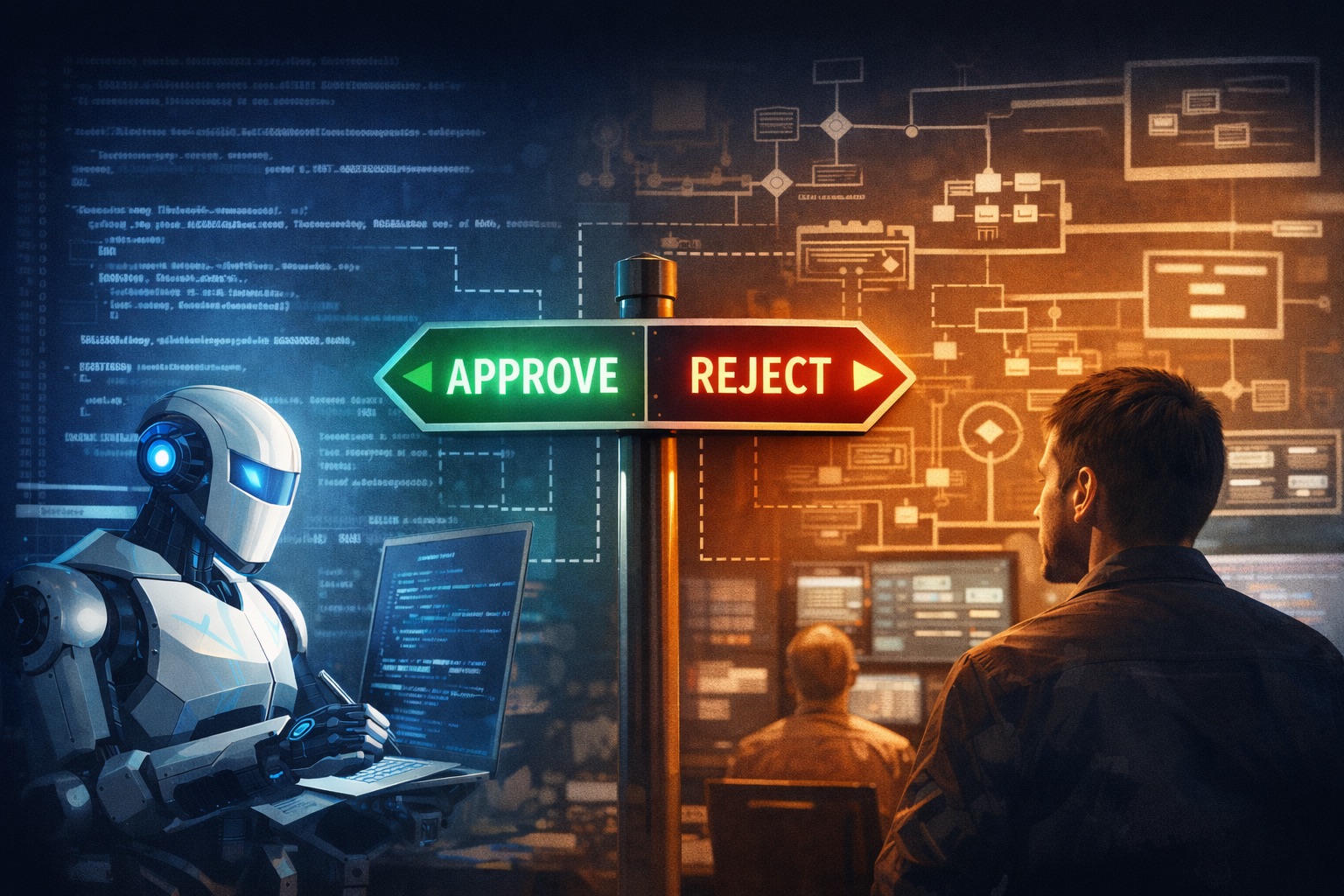
What does it mean to be good at this job when the AI writes the first draft? The answer is structural hardening, boundary decisions, and the judgment that doesn't transfer to the machine.
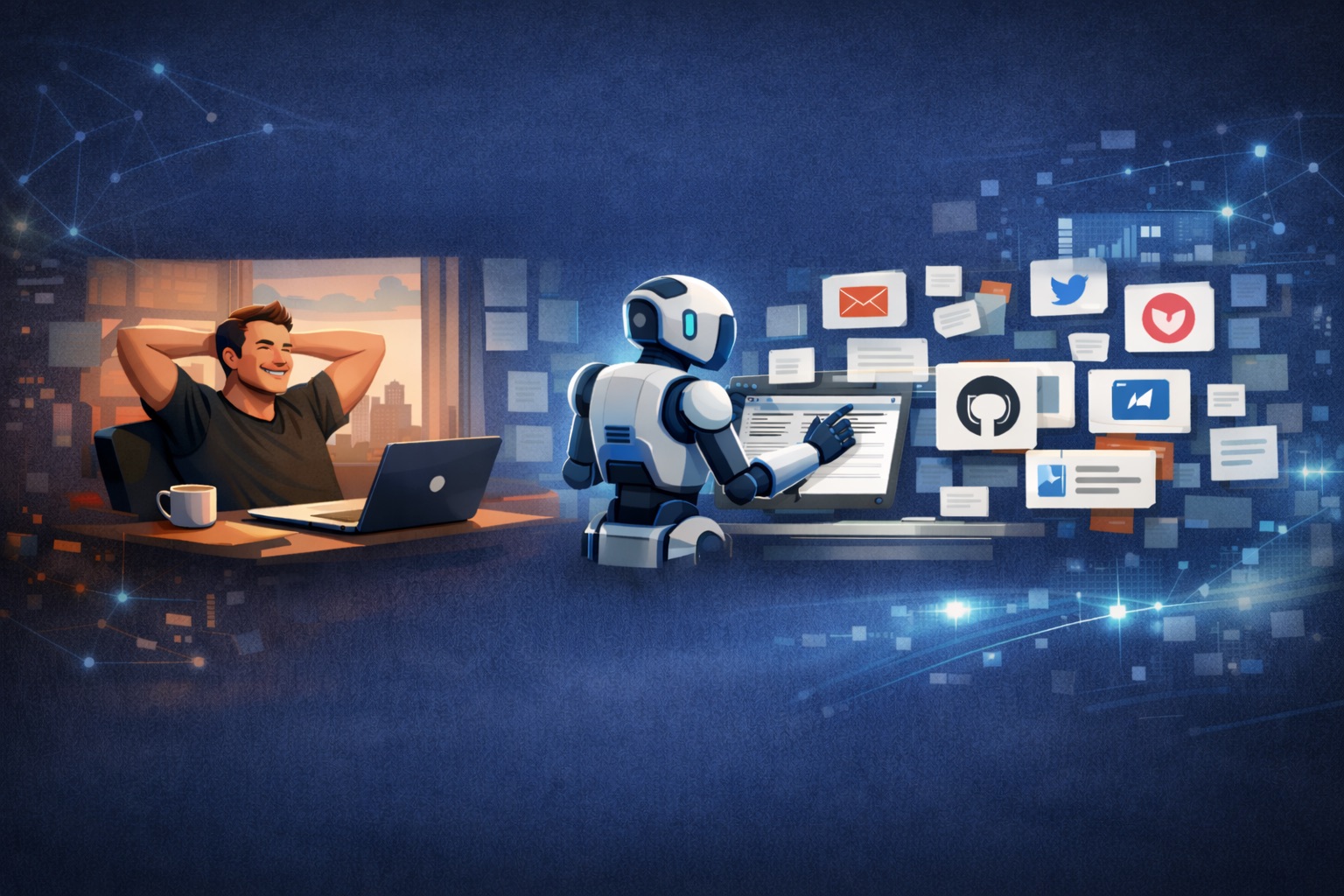
I built an AI agent that scores my feeds overnight and delivers one morning briefing with what actually matters.

What the AI coding revolution actually changes, and what it doesn't.
A weekend escape, a side quest, and a tiny open source game called Elder Realm. I used Claude to build a small Dungeons & Dragons inspired game as a break from the heavy stuff.

Why judgment becomes the scarce resource when AI makes software execution cheap.

AI can make PMs faster. It cannot replace the judgment at the center of product management.
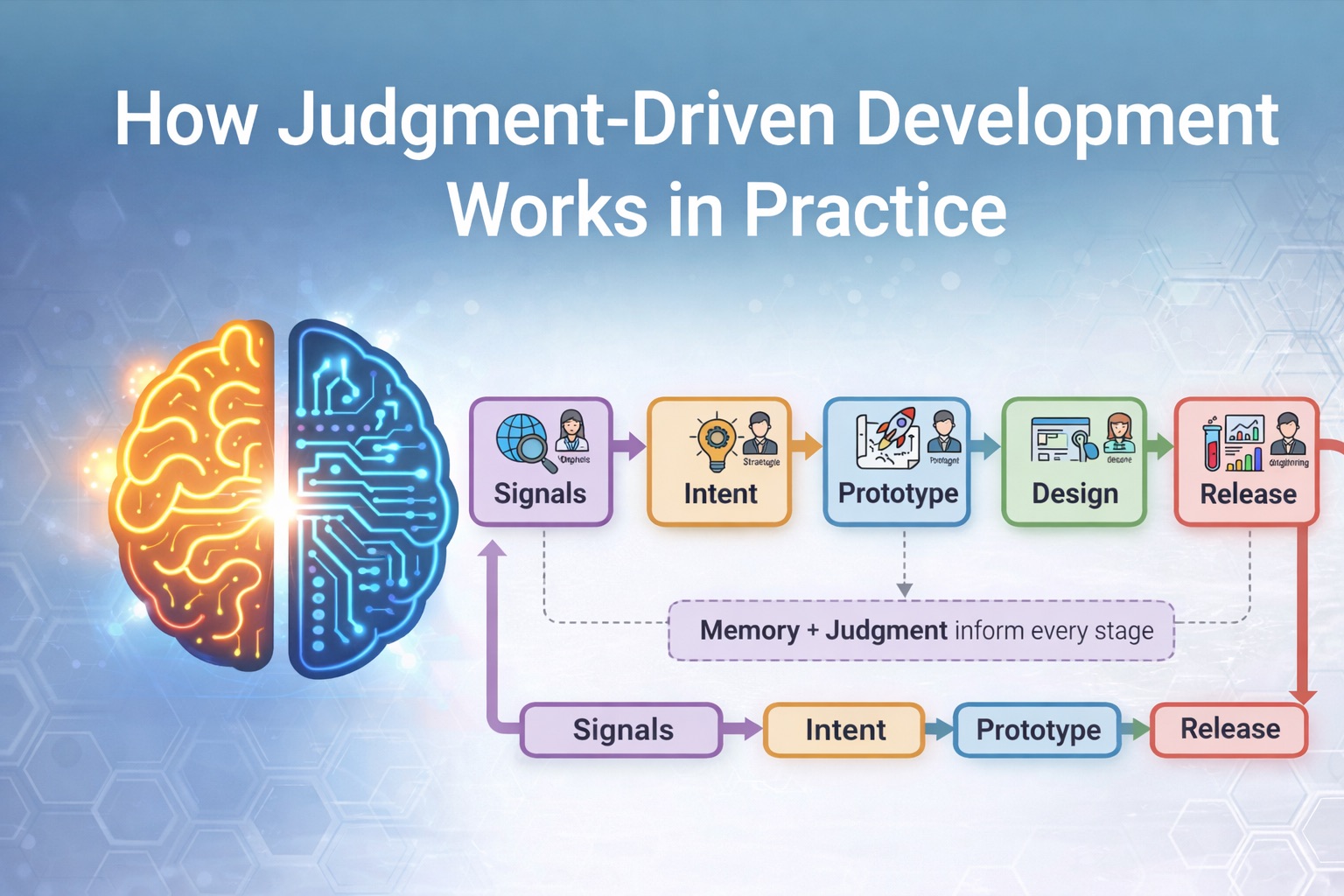
How Judgment-Driven Development works in practice, from early signals through engineering hardening to release.
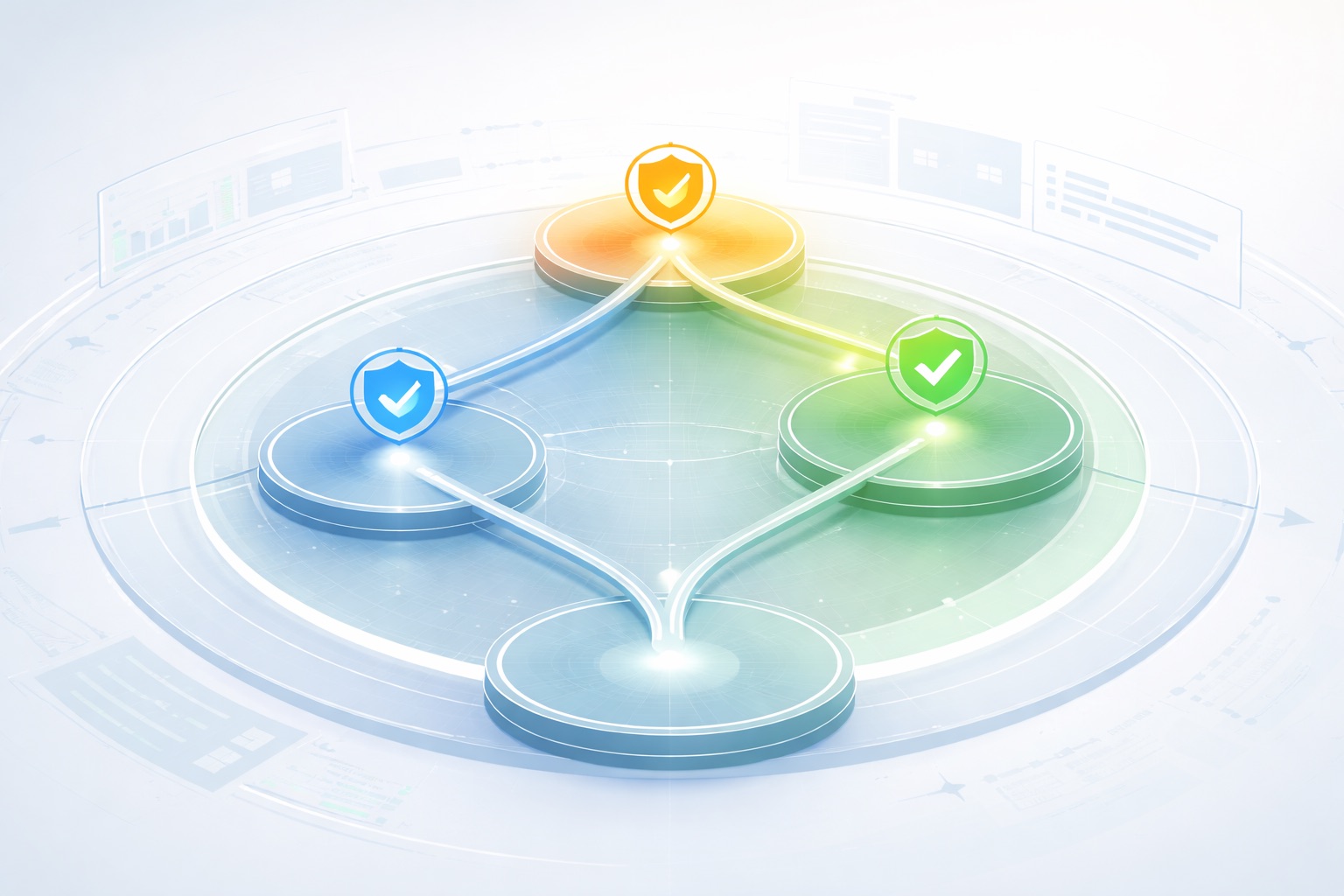
Why decision boundaries matter in AI-assisted development, and how misaligned authority breaks accountability.
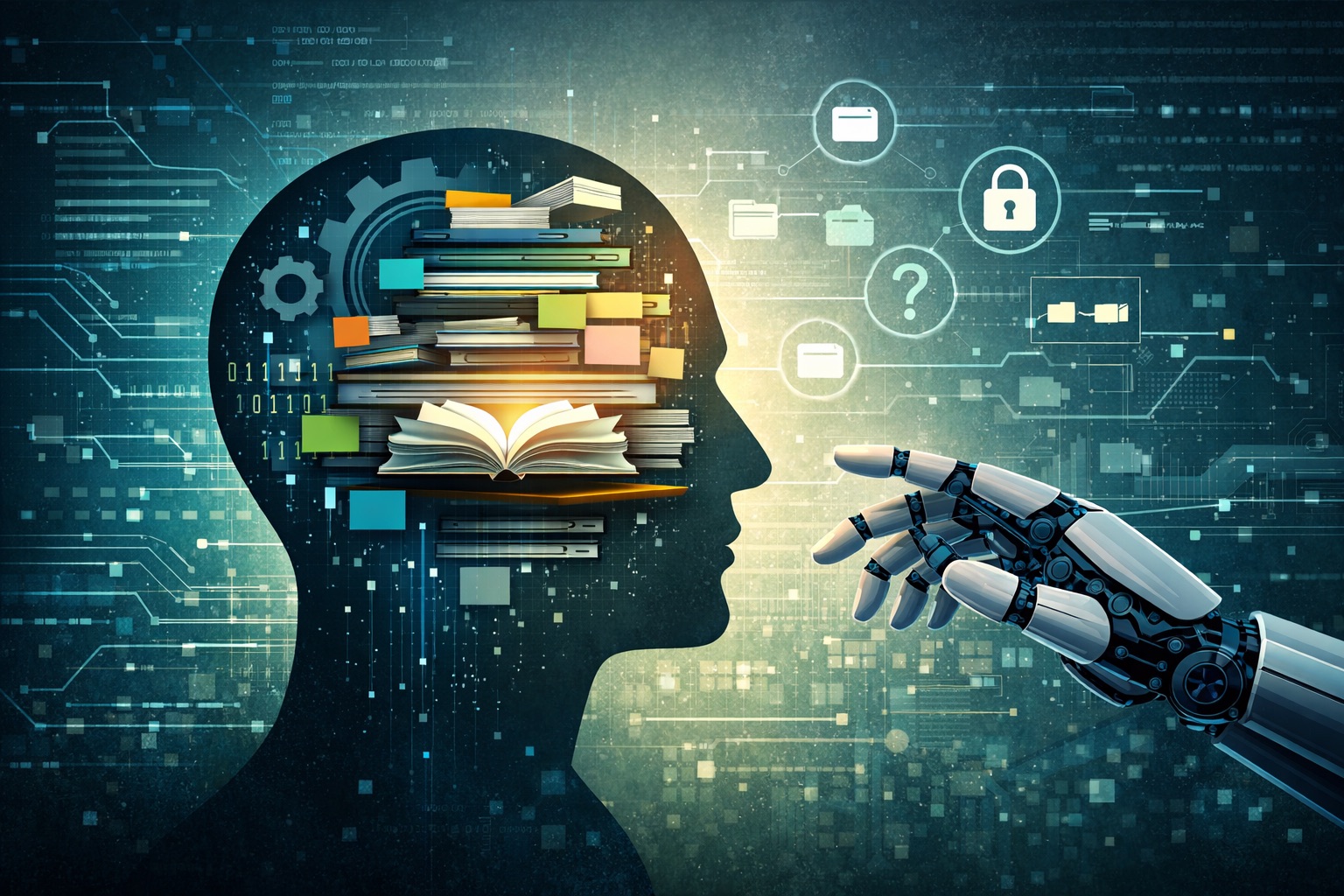
Why institutional memory is the missing layer in AI-assisted development, and how it enables real accountability.
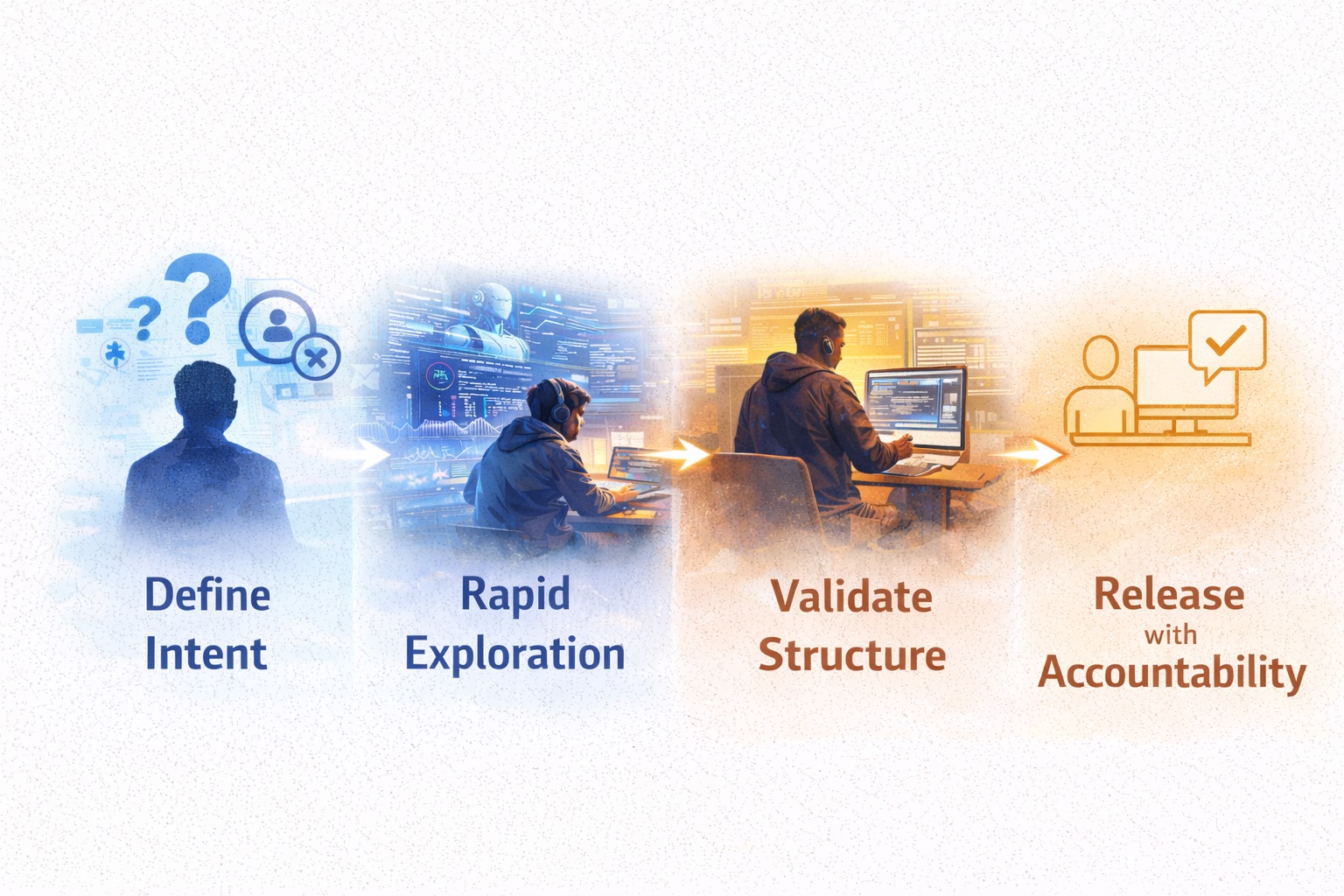
The stages of Judgment-Driven Development, and where human judgment must remain non-negotiable.
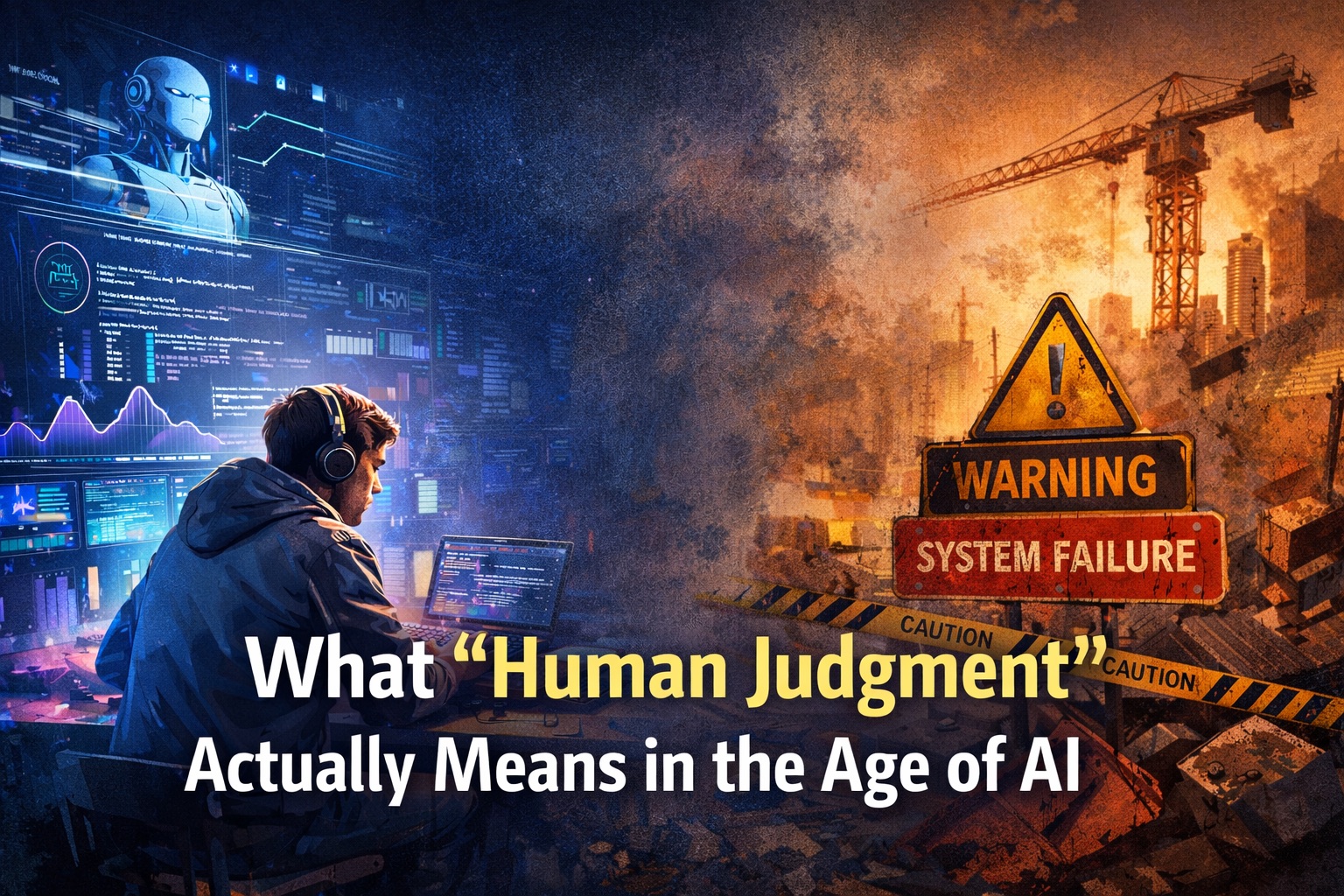
What human judgment actually means in AI-assisted development, and why "human in the loop" is not enough.

Vibe coding makes building feel effortless, but speed without judgment creates risk at enterprise scale. This post explores why execution is no longer the bottleneck, and what’s actually missing.
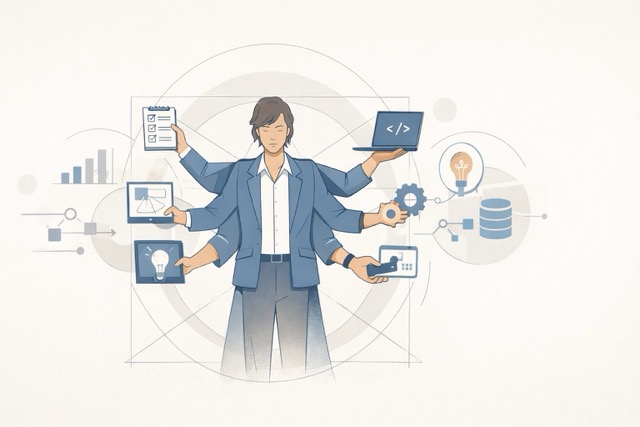
When the full-stack AI builder model works, and when collapsing PM, UX, and engineering into one role creates fragility.
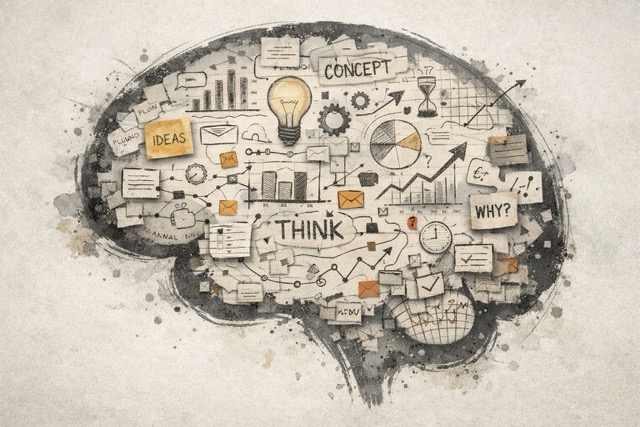
How I stopped working for my second brain and started extracting value from it, without forcing structure or discipline theater.
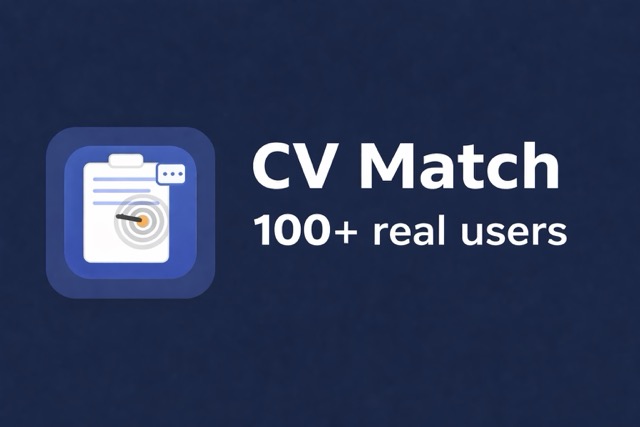
Why I built CV Match, the product constraints I refused to compromise on, and what I learned after shipping a small but real product to real users.

What it means to be a full-stack PM, and why breadth across engineering, design, and strategy makes better products.

Why private equity cost optimization often destroys the very innovation and resilience that made Israeli tech companies successful in the first place.

On how work lost its sense of proportion, how professionalism turned into parody, and why forgetting our humanity is the fastest way to build broken cultures.
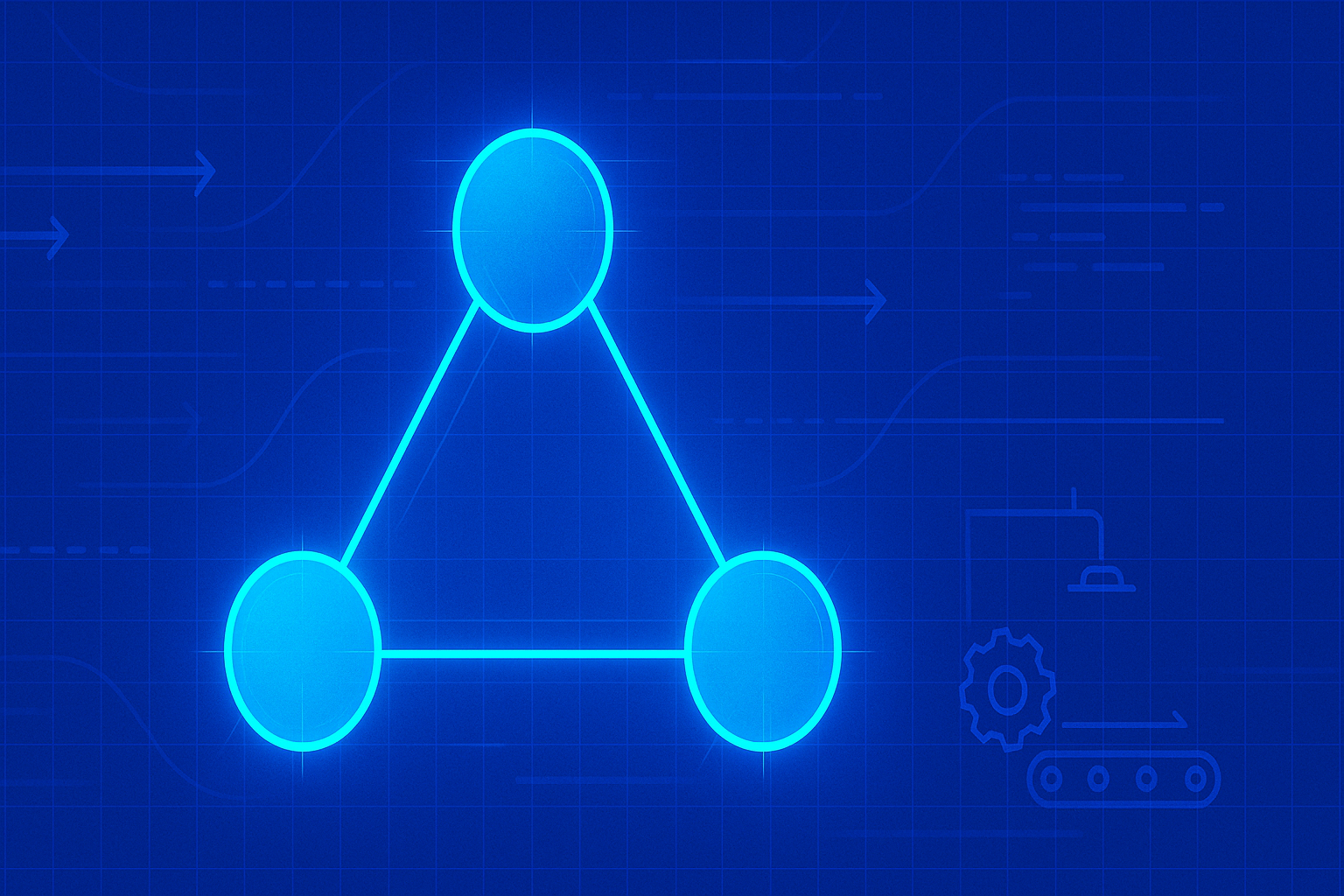
Why software development still behaves like every other production system.

Why companies keep thinking their problems are unique, and why the real answers are usually much older than they think.
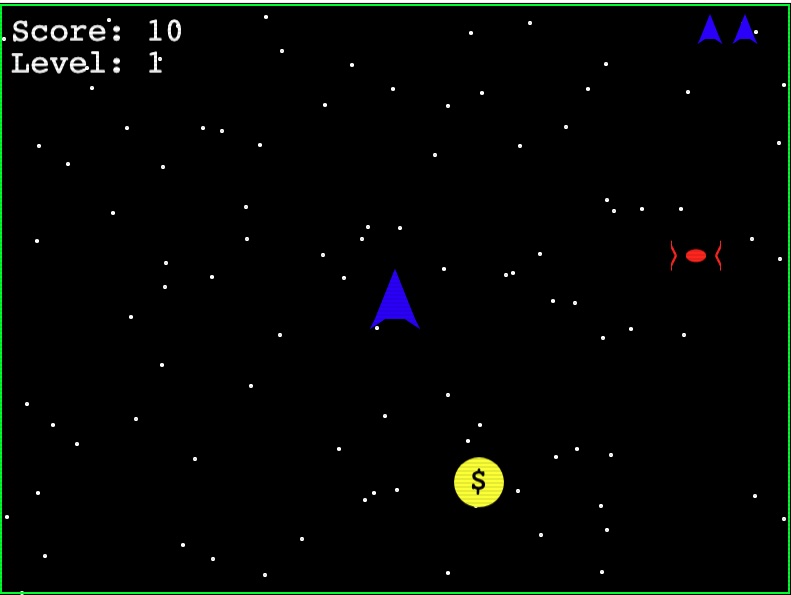
Dragon 32 nostalgia, a retro game revival, and a quick reality check on Google’s Antigravity.
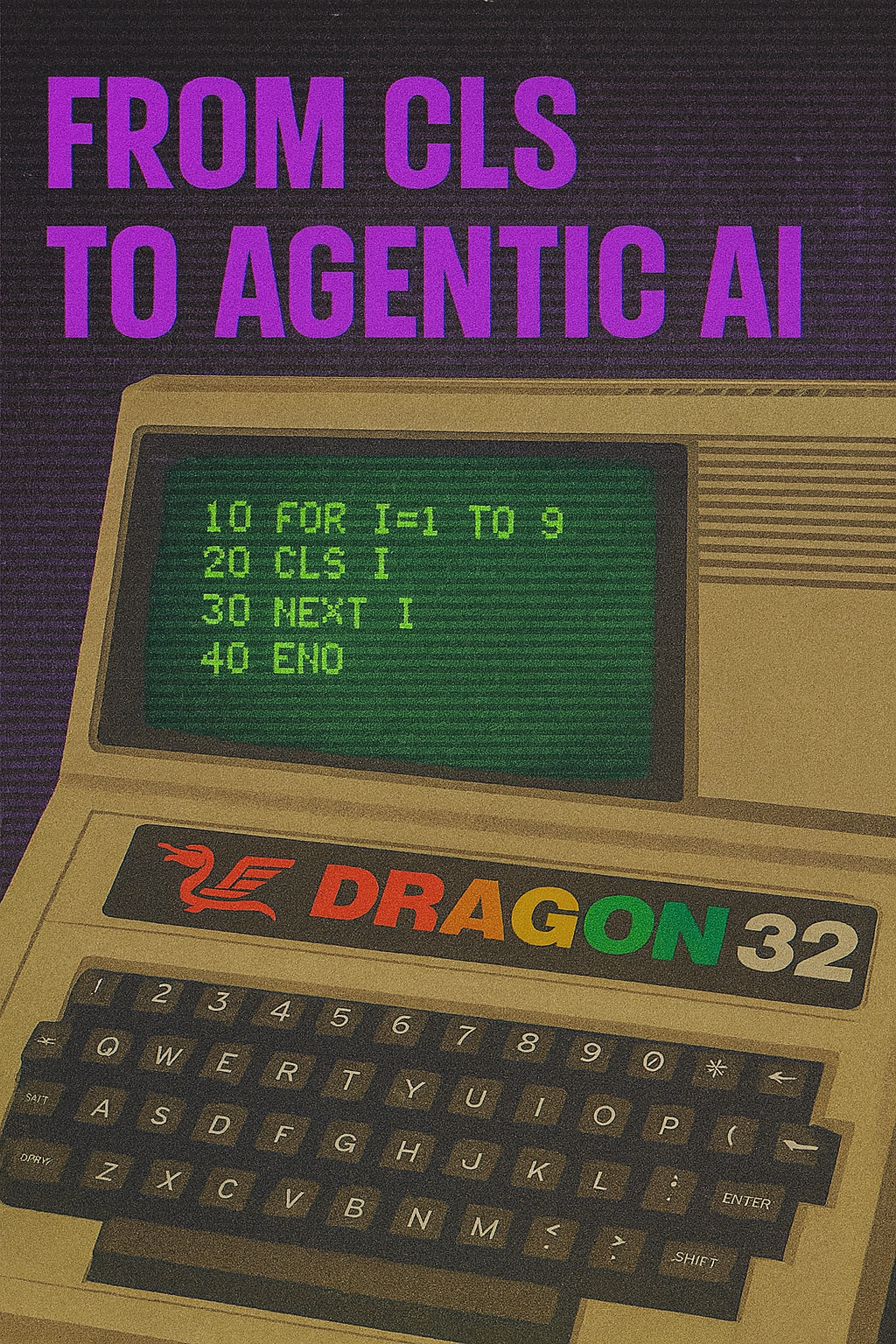
Growing up through the analog-to-digital shift and what it taught me about adaptation in the age of AI.

Why tools alone don't solve problems and how to avoid becoming a fool with a fancy new hammer.

How vague leadership language slows teams down, and how real leaders replace slogans with clarity, ownership, and direction.

How the Five Whys method and the habit of asking better questions can turn complexity into clarity.

Ten years after my original Dalet post on metadata, I look back at how AI reshaped the balance between manual tagging, automation, and meaning.

A practical system for building roadmaps that connect strategy, market insight, and team alignment — refined through real-world product leadership.

How a simple idea to share thoughts on product, AI, leadership, and weekend projects finally turned into something real.
hello world!