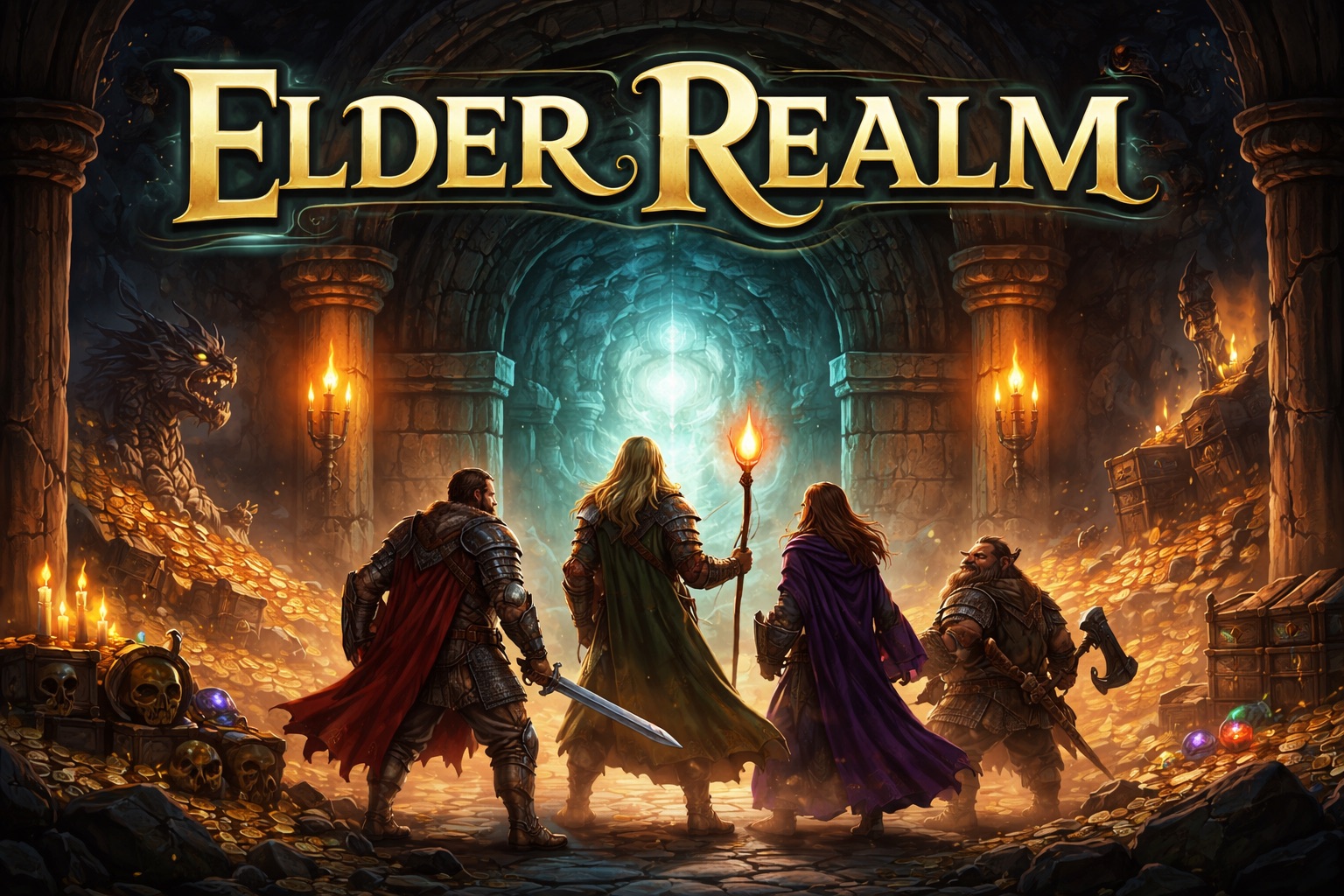
I Built My Own Dungeon Master
A weekend escape, a side quest, and a tiny open source game called Elder Realm. I used Claude to build a small Dungeons & Dragons inspired game as a break from the heavy stuff.
A weekend escape, a side quest, and a tiny open source game called Elder Realm. I used Claude to build a small Dungeons & Dragons inspired game as a break from the heavy stuff.

As AI drives the cost of execution down, the scarce resource shifts upward. The real constraint is no longer producing artifacts. It is judgment: deciding what should exist, what is worth building, what risks are acceptable, and what outcomes actually matter.

AI can help product managers synthesize faster, write faster, and prepare better. But the center of product management was never the paperwork. It was always judgment.
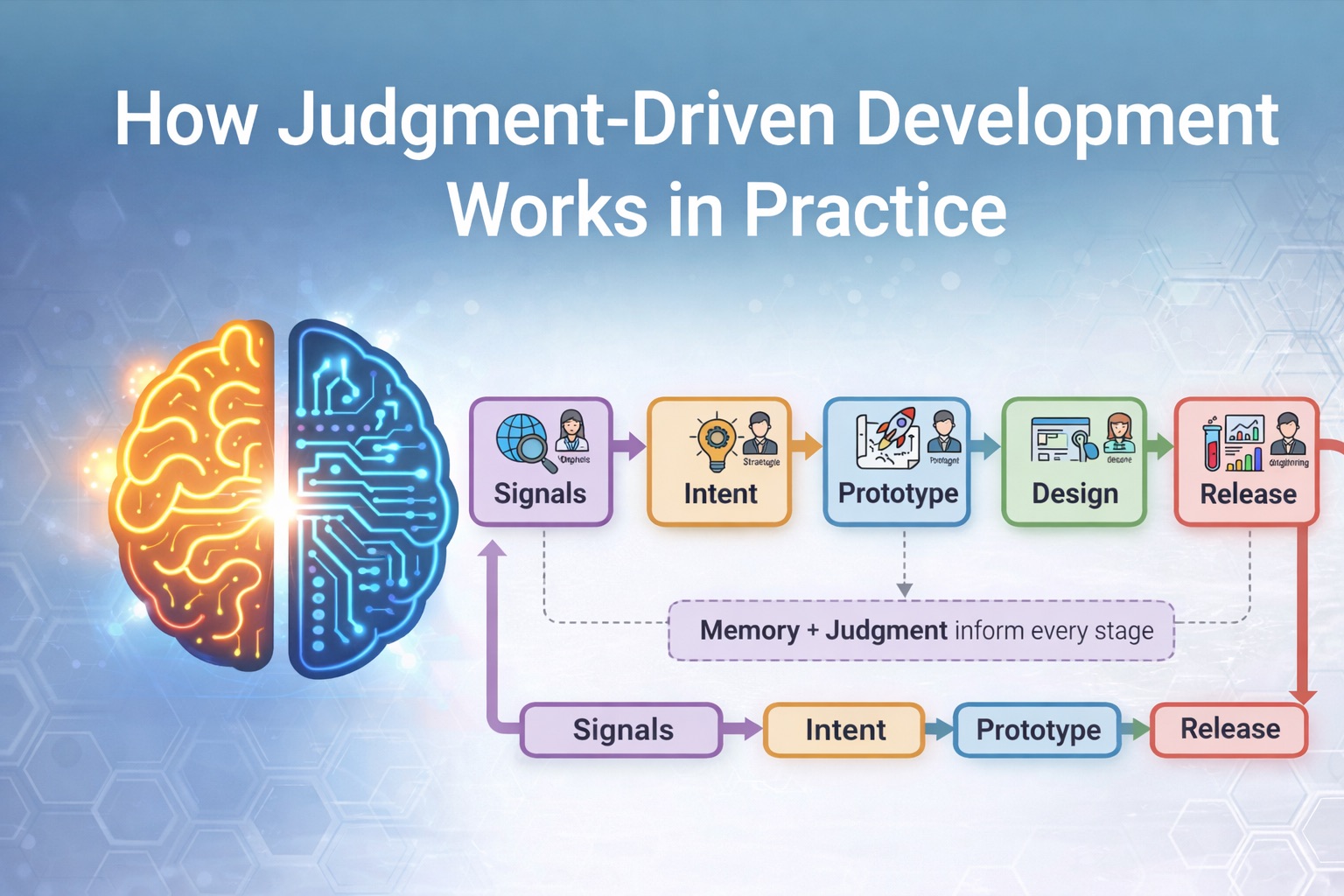
Execution is becoming cheap, but judgment remains scarce. This post walks through how Judgment-Driven Development actually works in practice, from early signals to prototypes, engineering hardening, and controlled release.
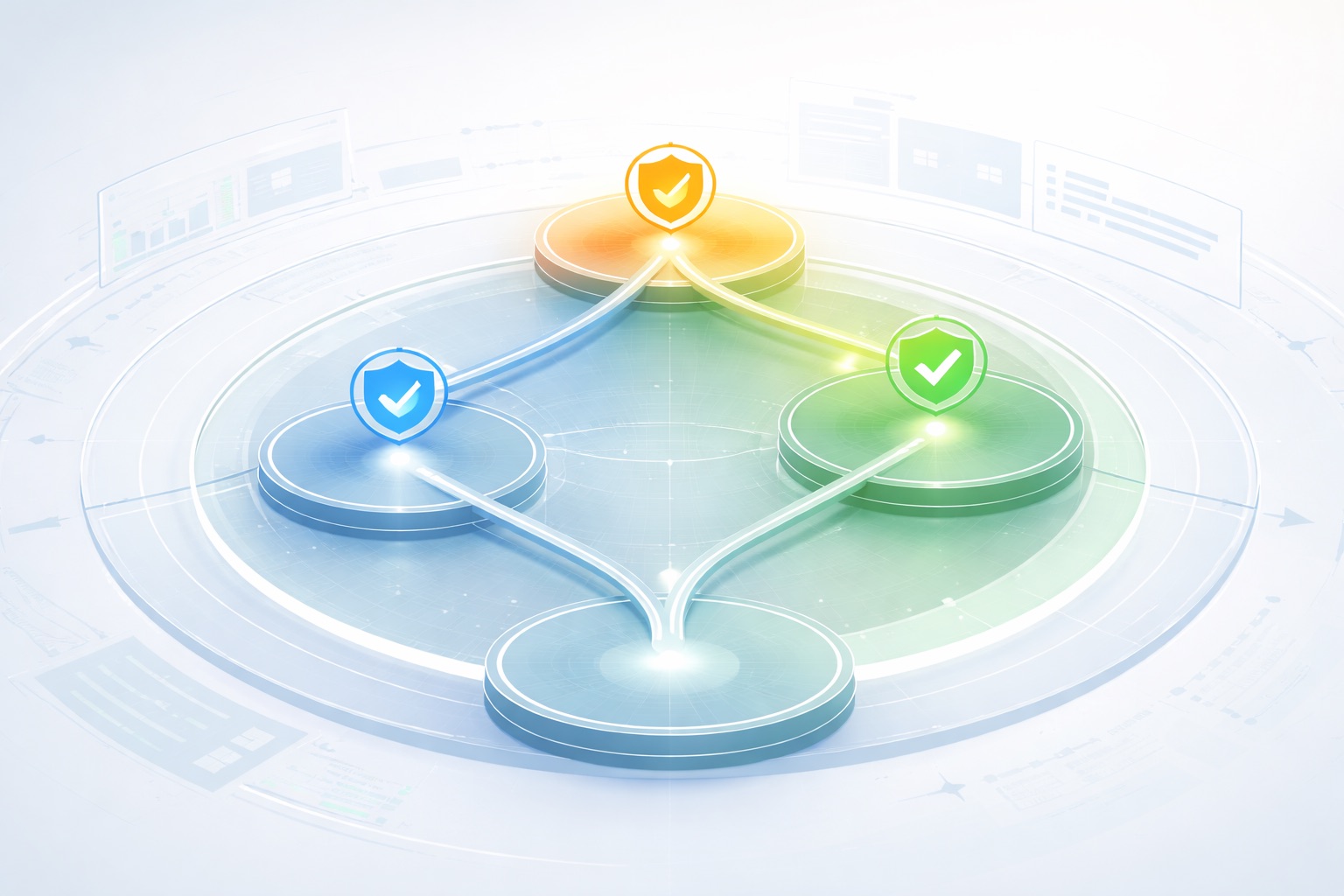
Even with memory and AI assistance, systems fail when authority is misaligned with consequence. This post explores why decision boundaries are essential in AI-accelerated development and how they protect accountability.

Execution is cheap and judgment is scarce. But judgment without memory degrades into repetition. This post explores why institutional memory is the missing layer in AI-assisted development and how it enables real accountability.
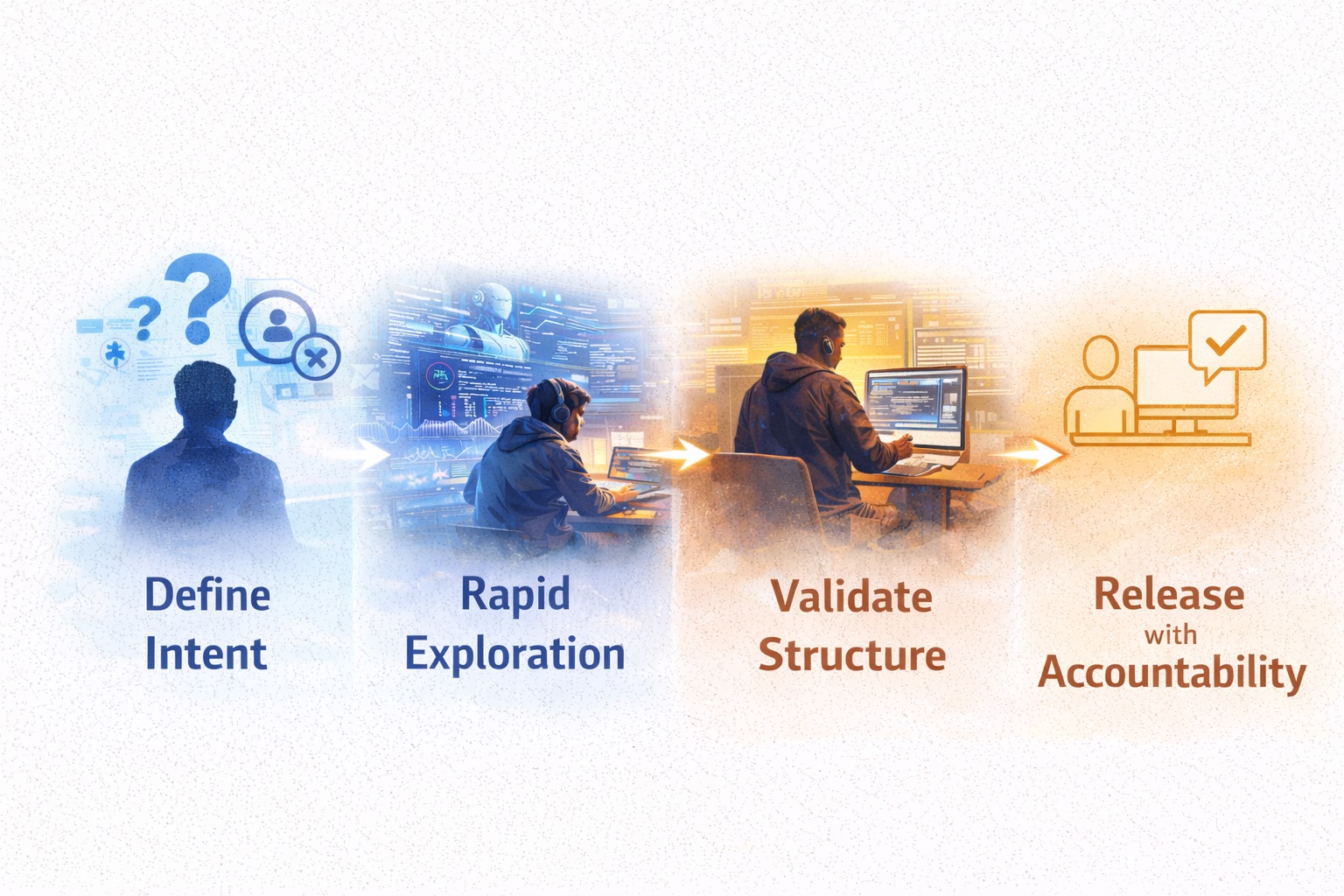
Execution is cheap. Judgment is scarce. This post lays out the stages of Judgment-Driven Development and explains where human judgment must remain non-negotiable in AI-accelerated product development.
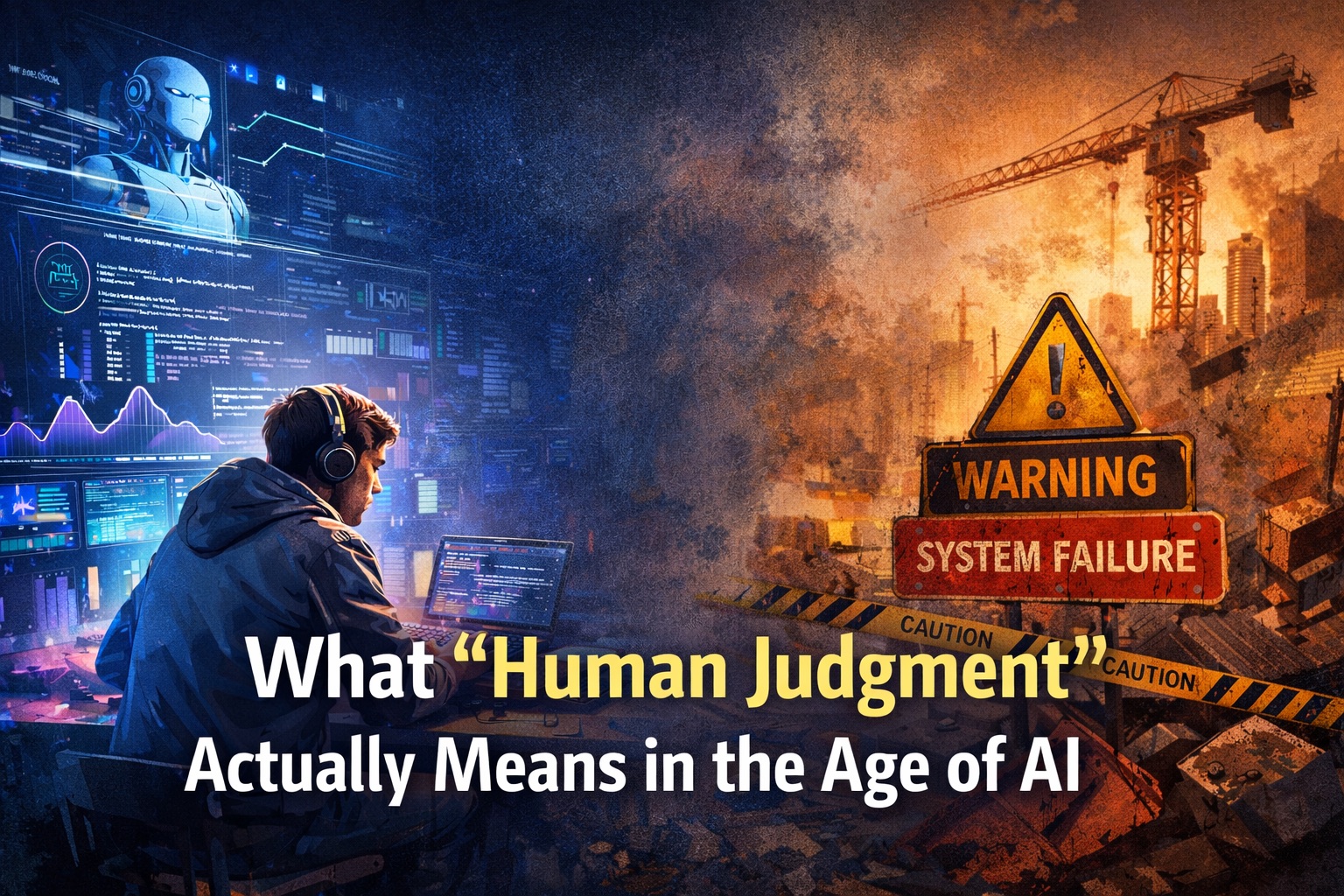
As execution becomes cheap, judgment becomes the bottleneck. This post unpacks what human judgment really means in AI-assisted development, why "human in the loop" is not enough, and why accountability must be designed into the process.

Vibe coding makes building feel effortless, but speed without judgment creates risk at enterprise scale. This post explores why execution is no longer the bottleneck, and what’s actually missing.
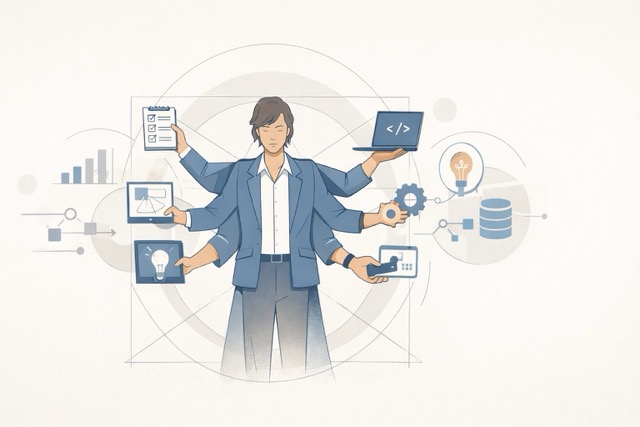
AI makes building faster, but collapsing PM, UX, and engineering into one role only works in certain contexts. Here’s where it shines, and where it creates fragility.
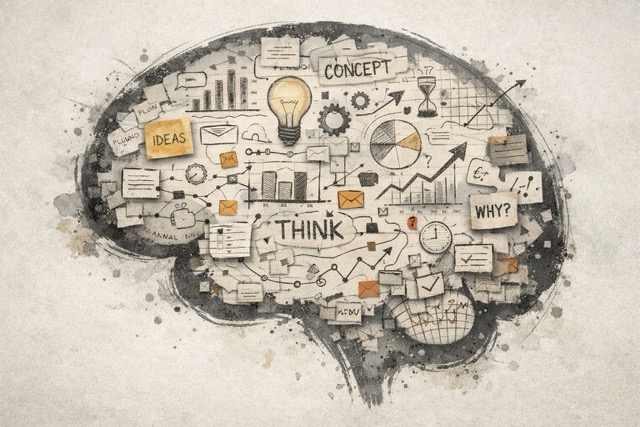
How I stopped working for my second brain and started extracting value from it, without forcing structure or discipline theater.
Why I built CV Match, the product constraints I refused to compromise on, and what I learned after shipping a small but real product to real users.

Why the most effective product managers are generalists by design, and how breadth, ownership, and a shared language across disciplines create better products and stronger teams.

Why private equity cost optimization often destroys the very innovation and resilience that made Israeli tech companies successful in the first place.

On how work lost its sense of proportion, how professionalism turned into parody, and why forgetting our humanity is the fastest way to build broken cultures.
Why software development still behaves like every other production system.

Why companies keep thinking their problems are unique, and why the real answers are usually much older than they think.
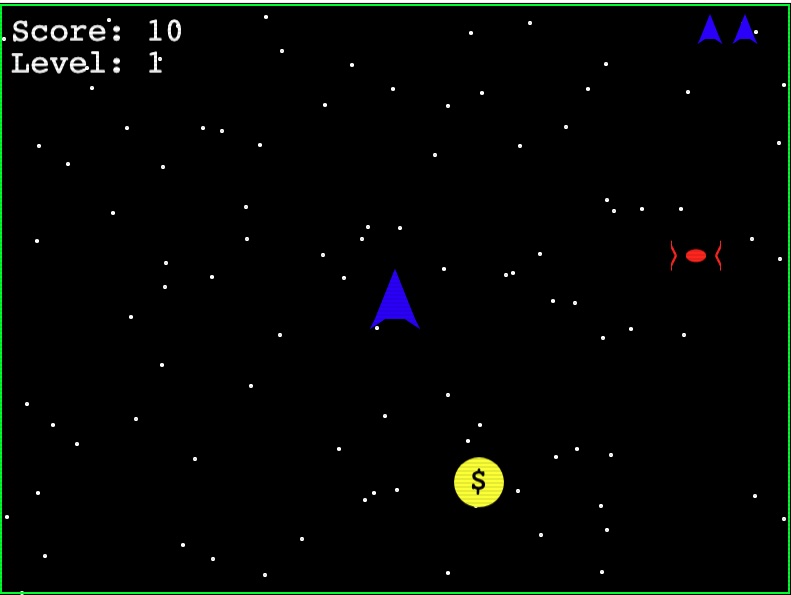
Dragon 32 nostalgia, a retro game revival, and a quick reality check on Google’s Antigravity.
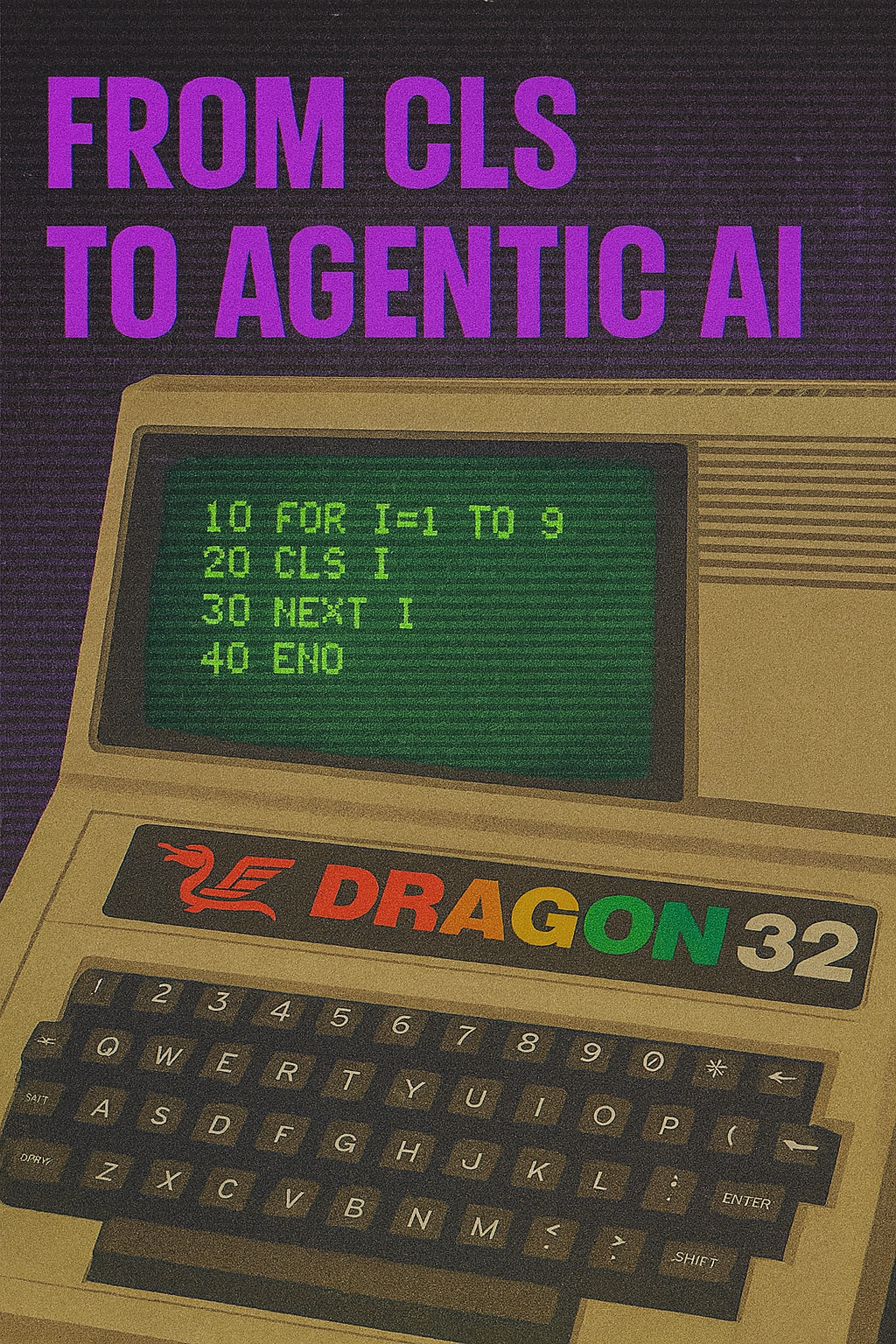
Growing up through the analog-to-digital shift and what it taught me about adaptation in the age of AI.

Why tools alone don't solve problems and how to avoid becoming a fool with a fancy new hammer.

How vague leadership language slows teams down, and how real leaders replace slogans with clarity, ownership, and direction.

How the Five Whys method and the habit of asking better questions can turn complexity into clarity.

Ten years after my original Dalet post on metadata, I look back at how AI reshaped the balance between manual tagging, automation, and meaning.

A practical system for building roadmaps that connect strategy, market insight, and team alignment — refined through real-world product leadership.

How a simple idea to share thoughts on product, AI, leadership, and weekend projects finally turned into something real.
hello world!